|
|
|
Table of Contents
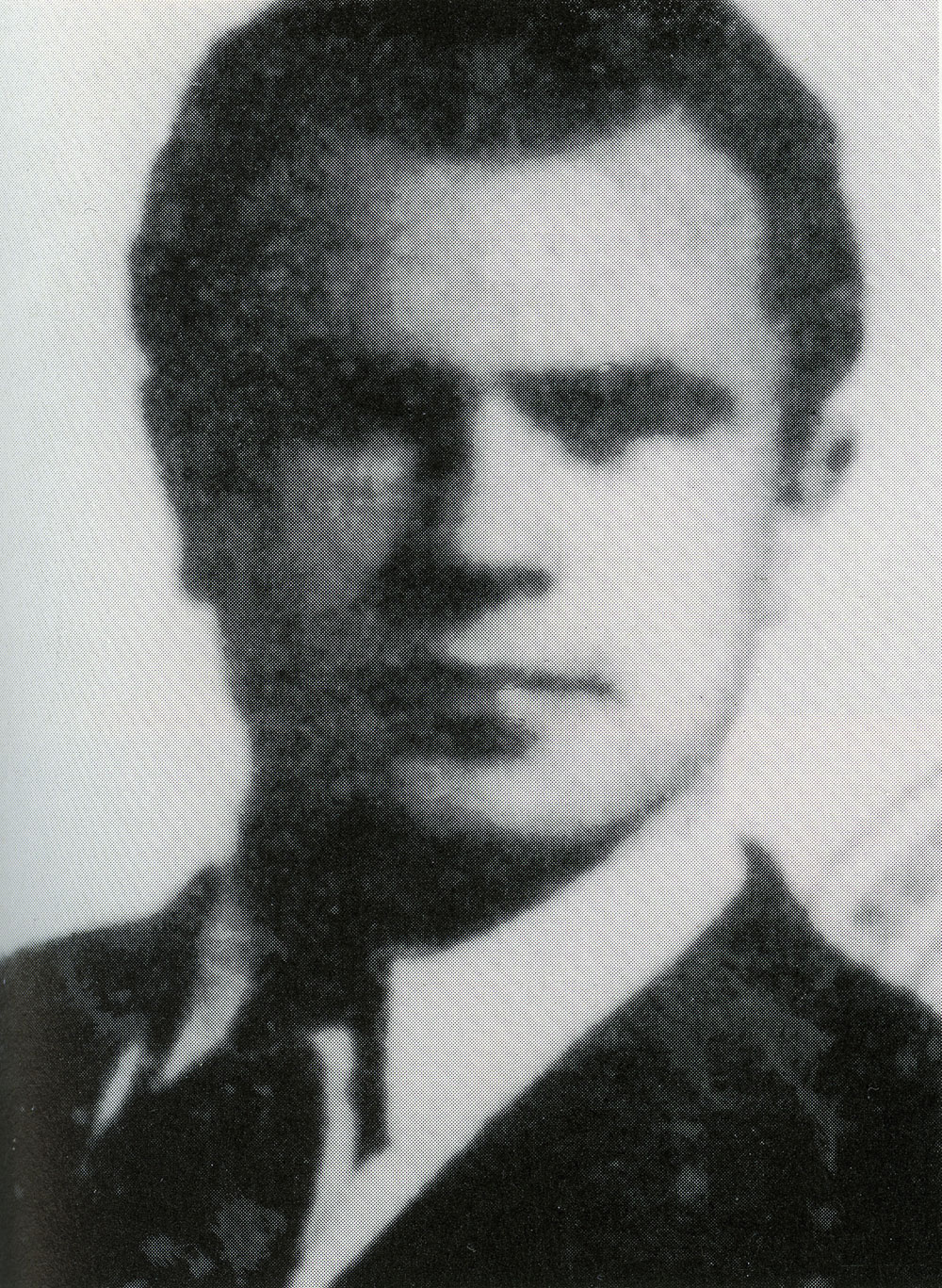
THE DEFECTOR: A previously unpublished photograph of Anatoly Mikhailovich Golitsin, the KGB officer who defected in Helsinki in 1961, touching off the hunt for Soviet moles inside the CIA that lasted for almost two decades. This photo is the first to show Golitsin as a KGB officer before he defected to the CIA. In Helsinki, Golitsin posed as a Soviet diplomat and used the alias "Anatoly Klimov."
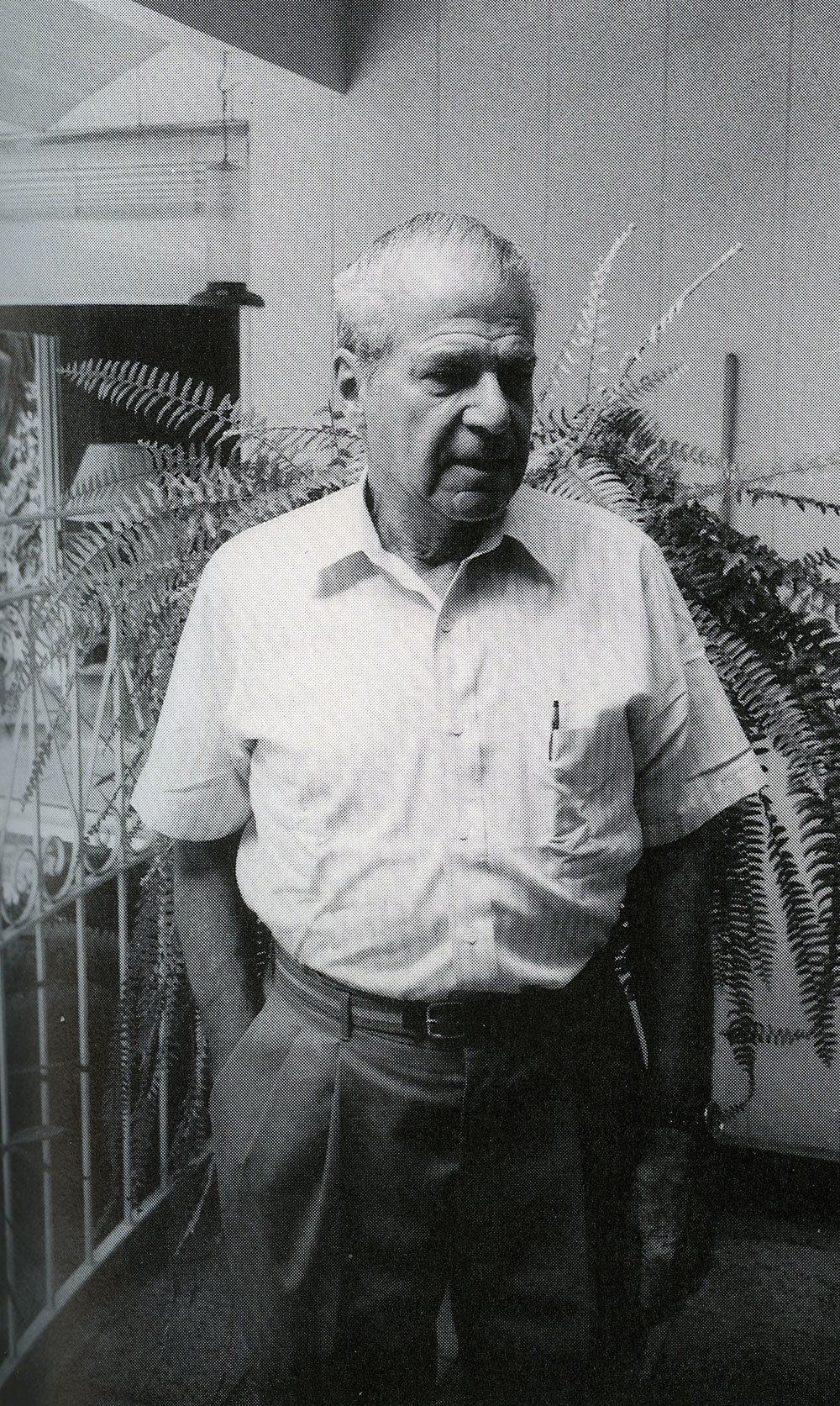
THE SUSPECTS: S. Peter Karlow, a war hero and ass veteran, was a respected CIA officer and an expert on espionage gadgetry for the agency when he mistakenly became the "principal suspect" in the mole hunt as a result of Golitsin's information. Karlow, investigated and polygraphed by the FBI, then fired from the CIA in 1963, fought for twenty-six years to clear his name.
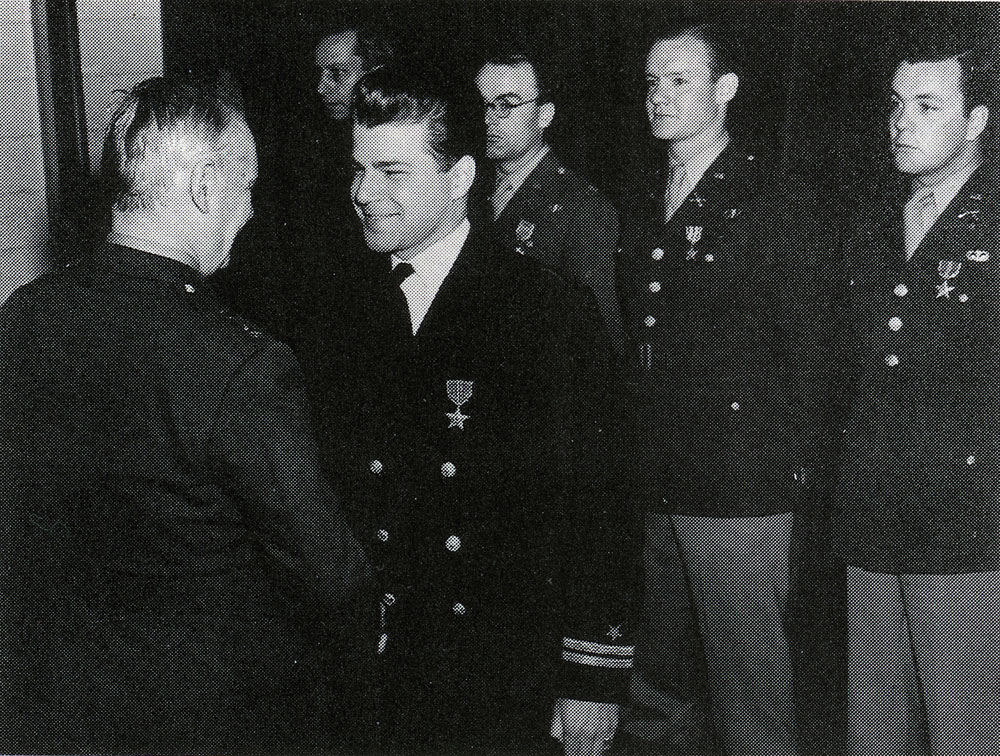
Karlow receiving a bronze star for valor from General William J. "Wild Bill" Donovan, the director of the wartime OSS, for a daring mission off the Italian coast in 1944. Karlow lost his left leg when his PT boat tripped a Nazi mine and exploded killing most of the crew.
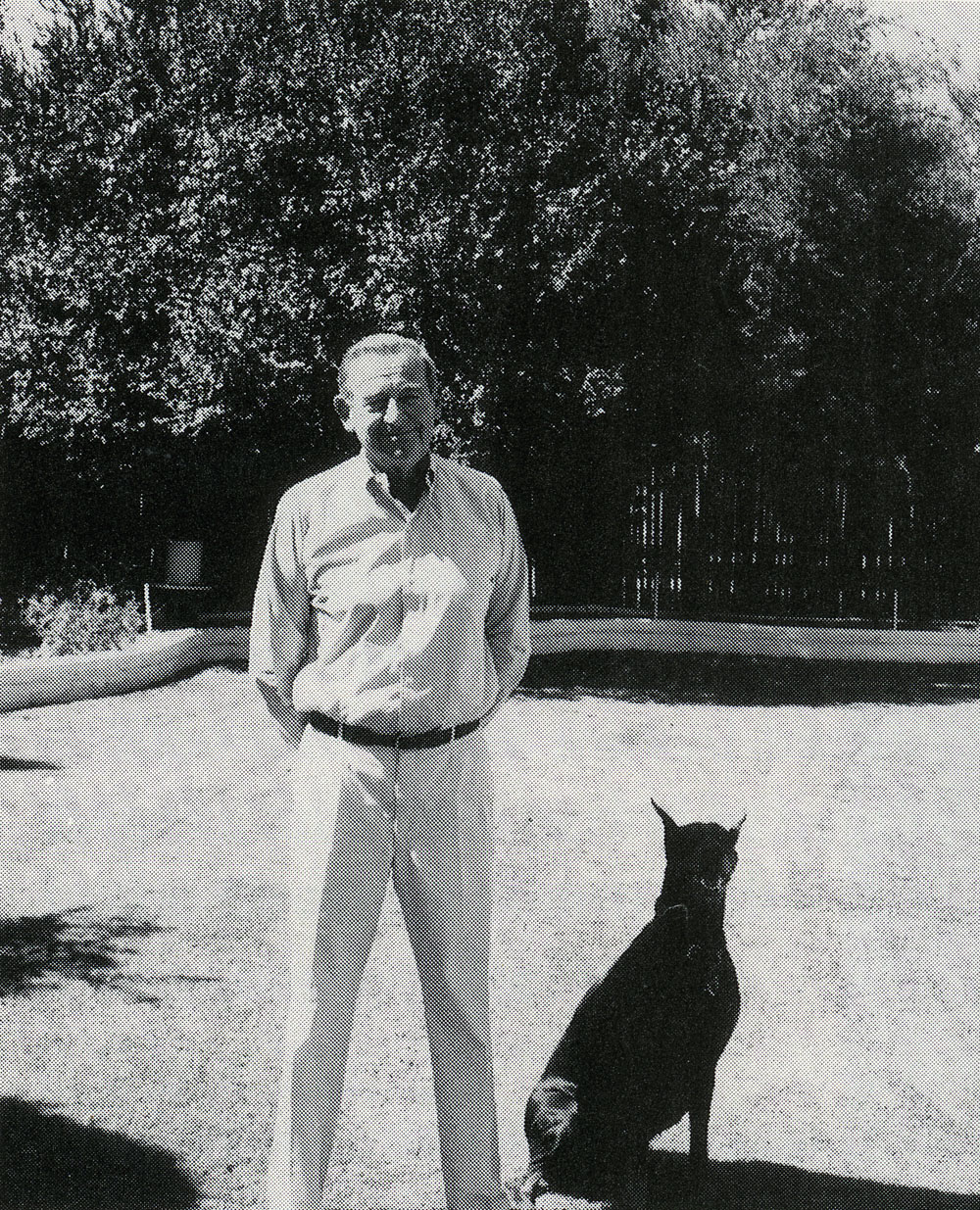
Paul Garbler with his Doberman, Magic. The first CIA chief of station in Moscow, Garbler was also suspected as a Soviet spy and exiled to a Caribbean isle. The CIA never told him why. Garbler's innocence was belatedly acknowledged when Congress in 1980 passed the little-known "Mole Relief Act," and the CIA awarded him a substantial settlement.
A Navy dive bomber pilot in the Pacific during World War II, Garbler, below, right, face partially hidden, served as personal pilot to South Korea's President Syngman Rhee, center, before joining the CIA.
The CIA sent Garbler to Moscow in 1961 to monitor contacts with Colonel Oleg Penkovsky, the CIA's most celebrated spy in the Soviet Union. But Penkovsky's "dead drop" in Moscow had been discovered by the KGB.
Igor Orlov, the CIA agent whom the agency concluded was Golitsin's "Sasha," the elusive Soviet mole. Orlov operated for the CIA in Germany under Army cover.
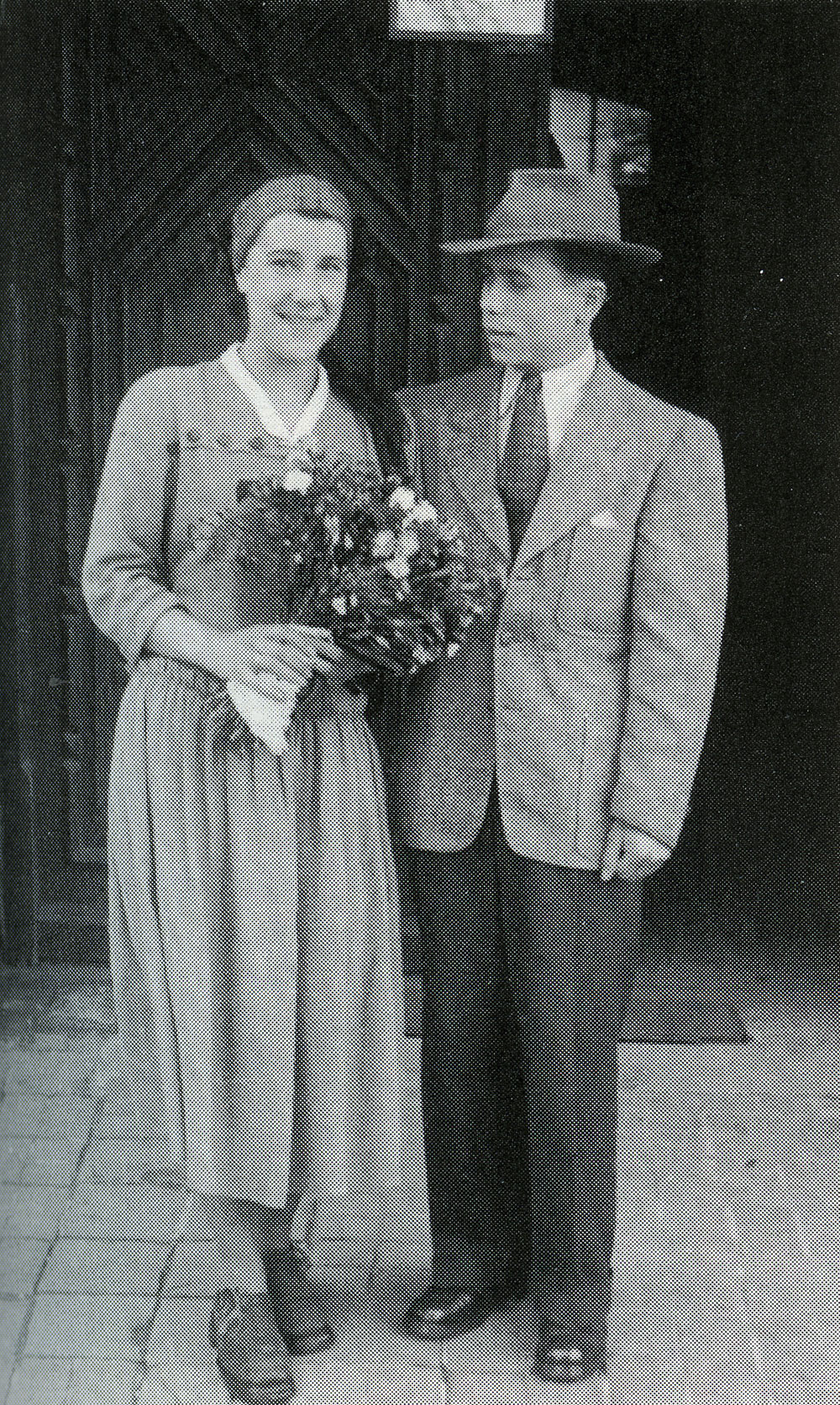
Igor and Eleonore Orlov in Munich on their wedding day, July 14, 1948.
|
|