|
THE GRANDEES: AMERICA'S SEPHARDIC ELITE |
|
|
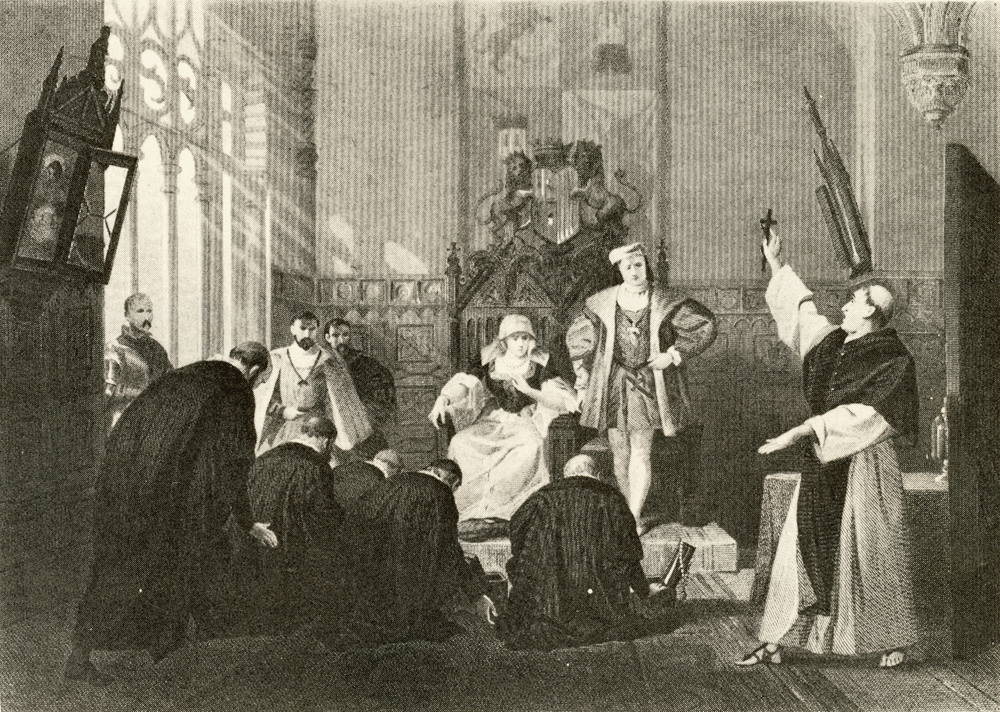
A delegation of Spanish Jews appears before Ferdinand and Isabella, beseeching the monarchs to repeal their Expulsion Edict. Torquemada, at right, urges otherwise. New York Public Library Picture Collection
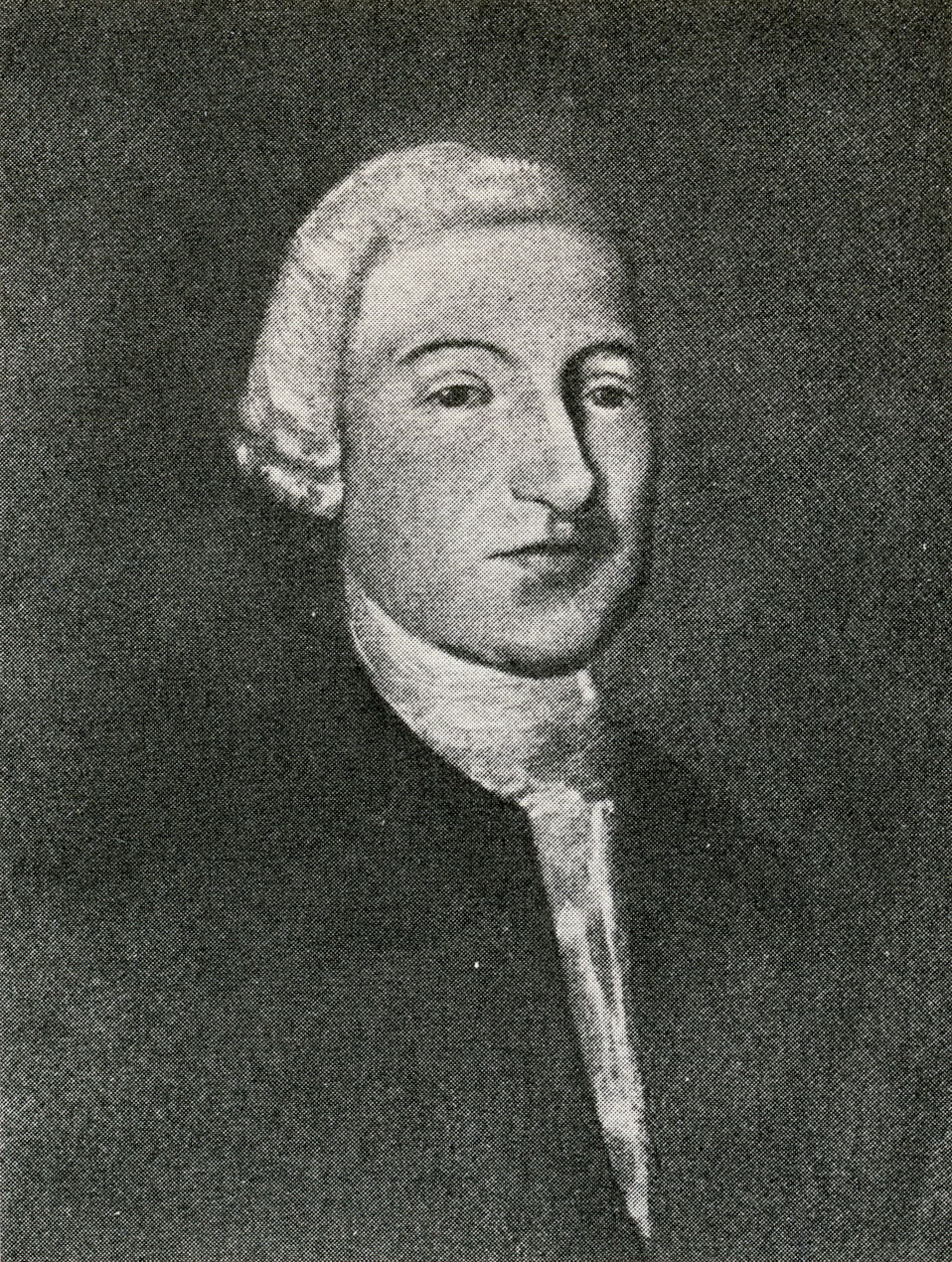
Mr. Aaron Lopez, the affluent Newport merchant. American Jewish Historical Society
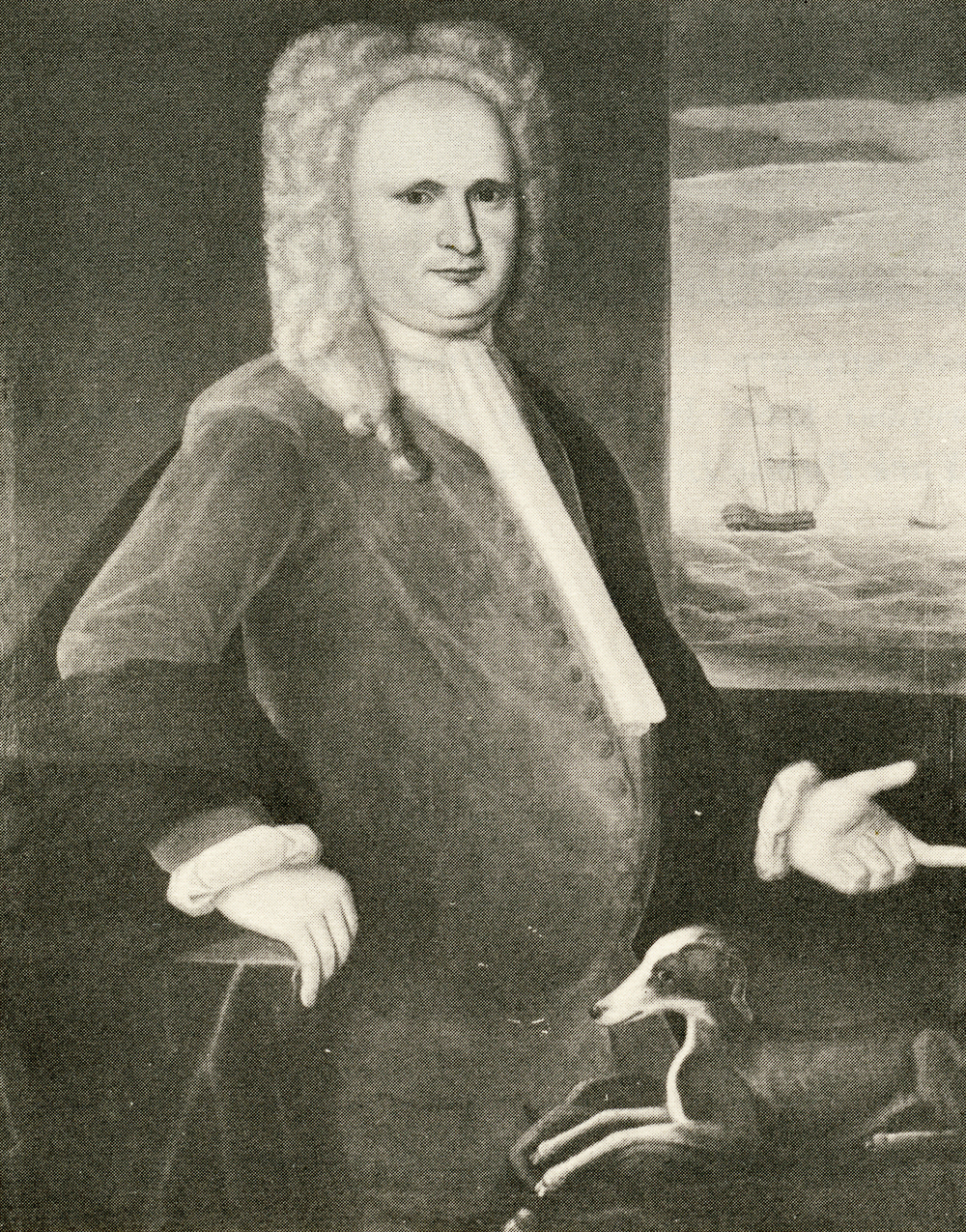
Moses Levy of New York. Courtesy of Mrs. Lafayette A. Goldstone
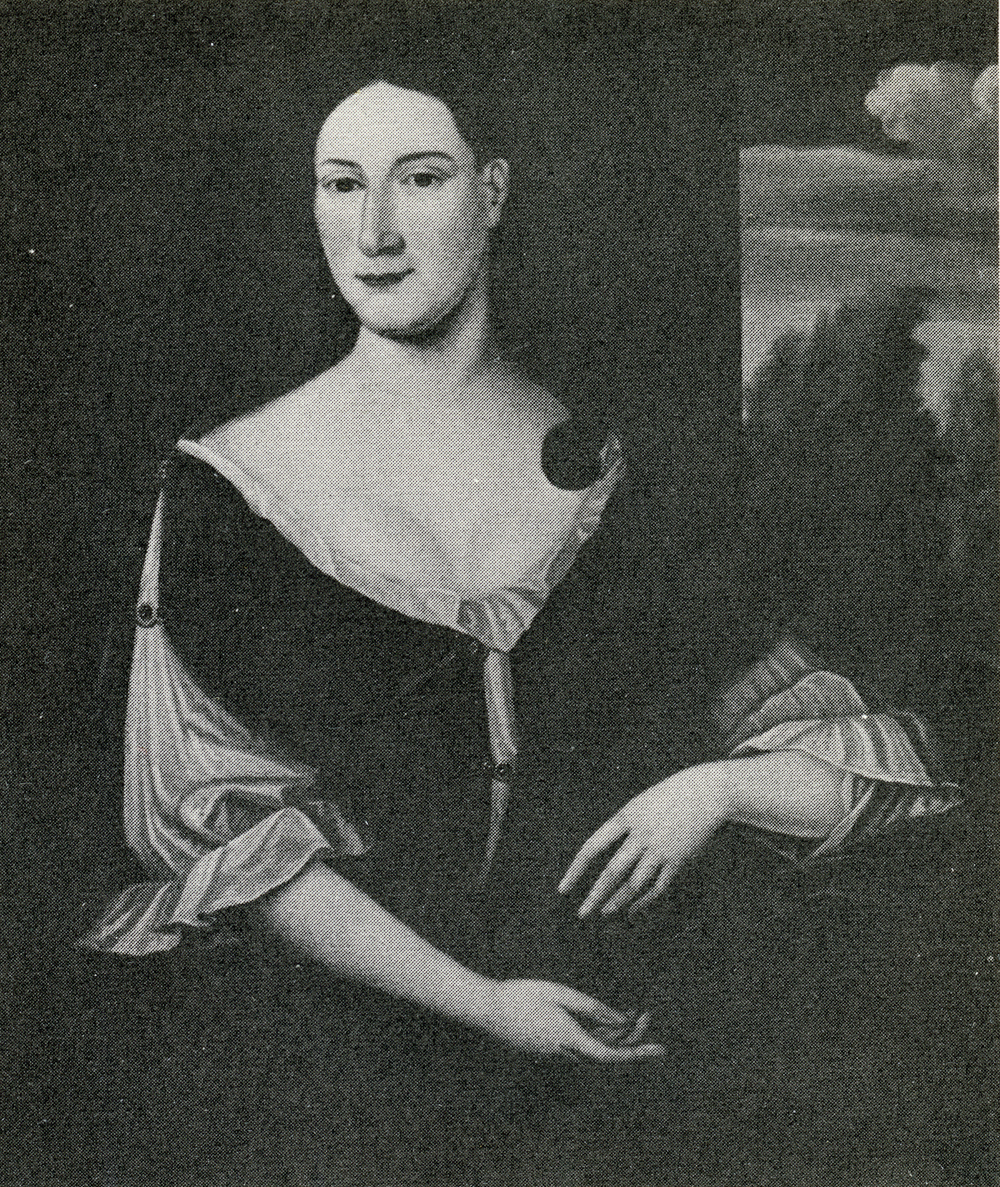
Bilhah Abigail Levy Franks, matron of Philadelphia. American Jewish Historical Society
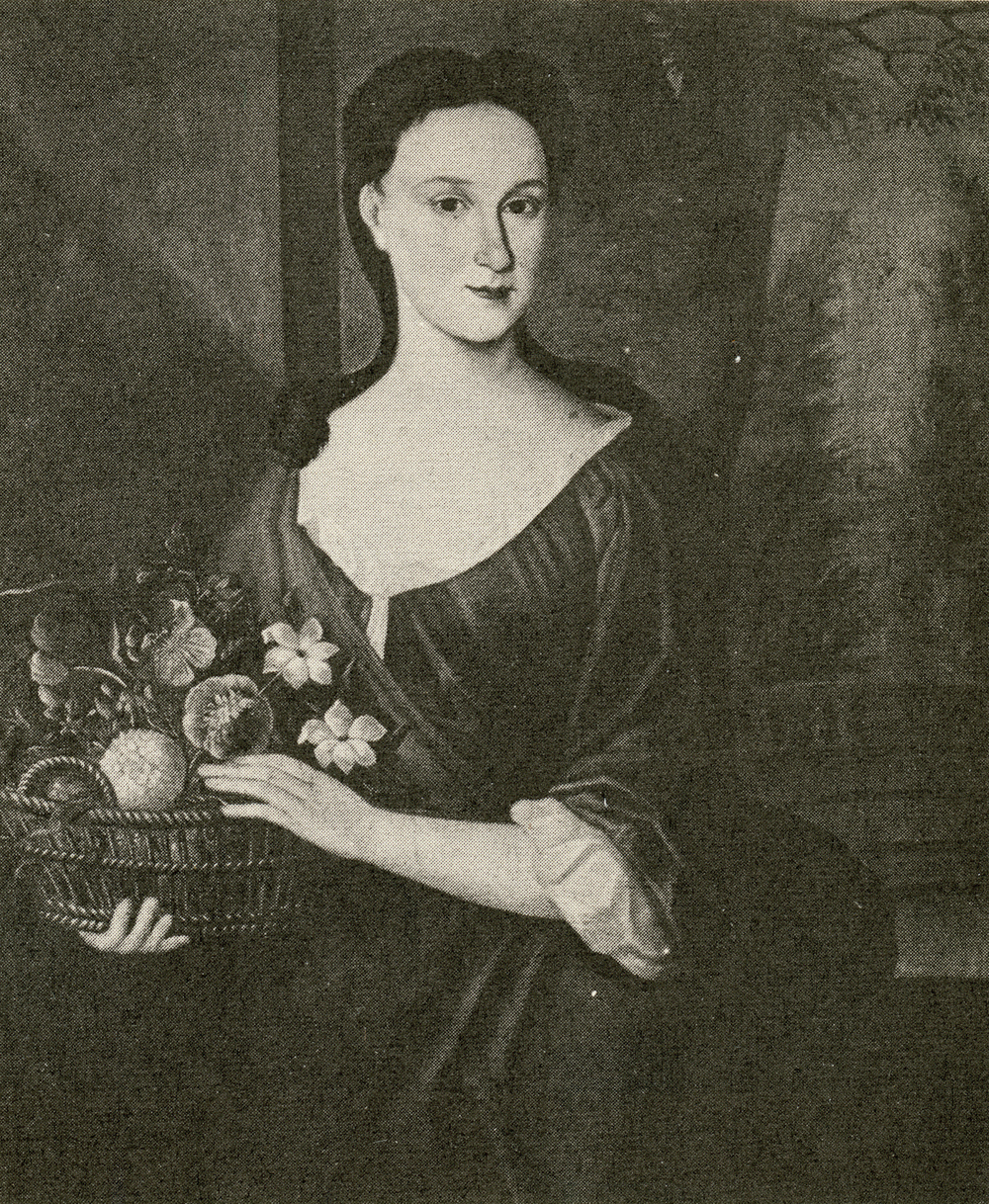
Phila Franks who, to her mother's pain, married General Oliver De Lancey. American Jewish Historical Society
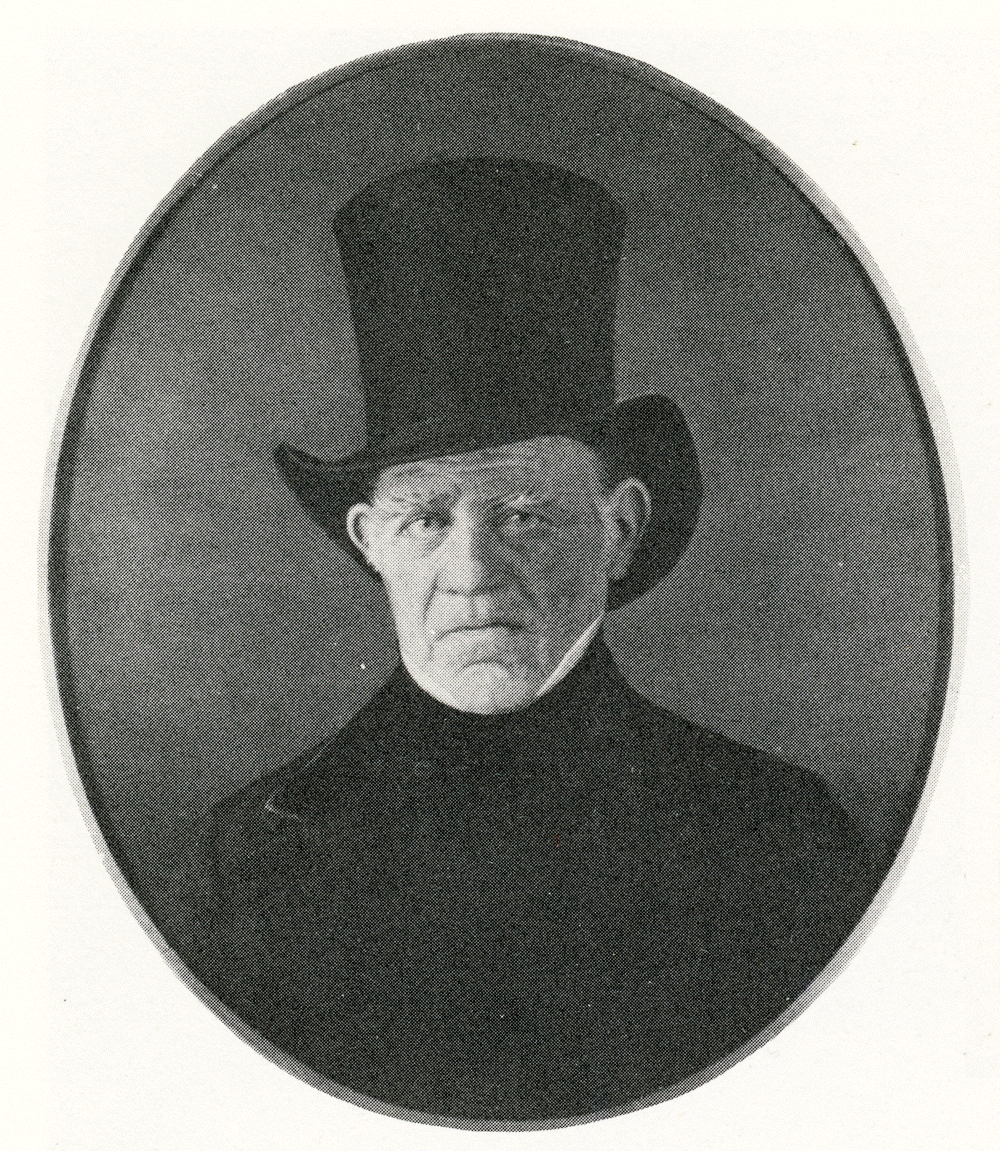
Judah Touro, philanthropist and "a strange man," according to contemporaries. Frick Art Reference Library
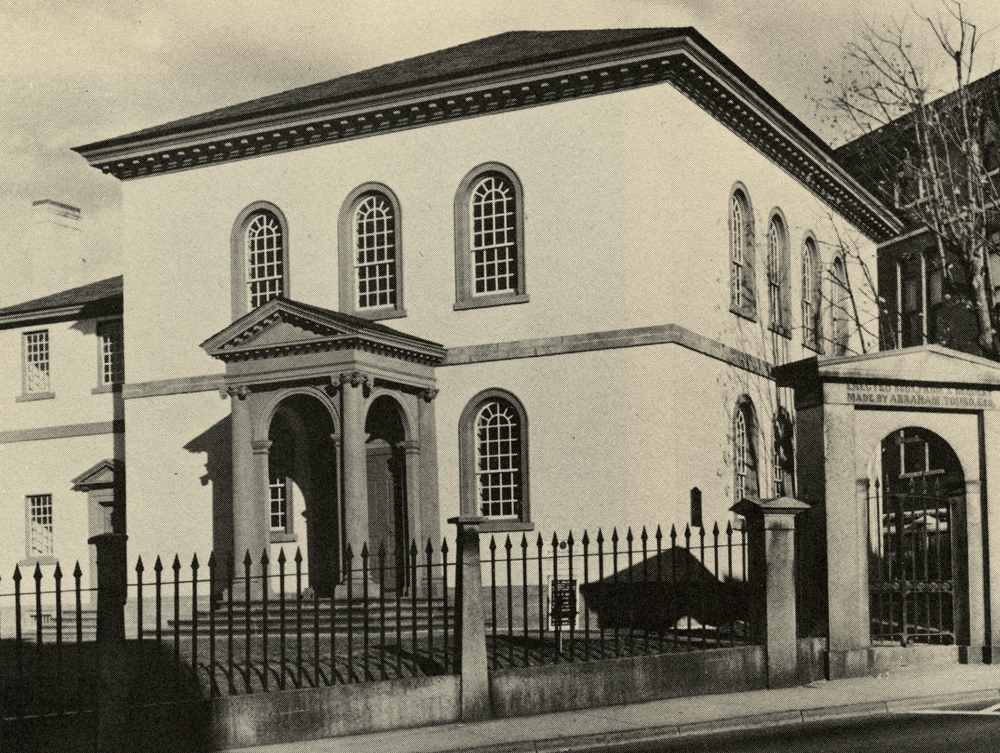
Newport's famed Touro Synagogue. Courtesy of the Society of Friends of Touro Synagogue
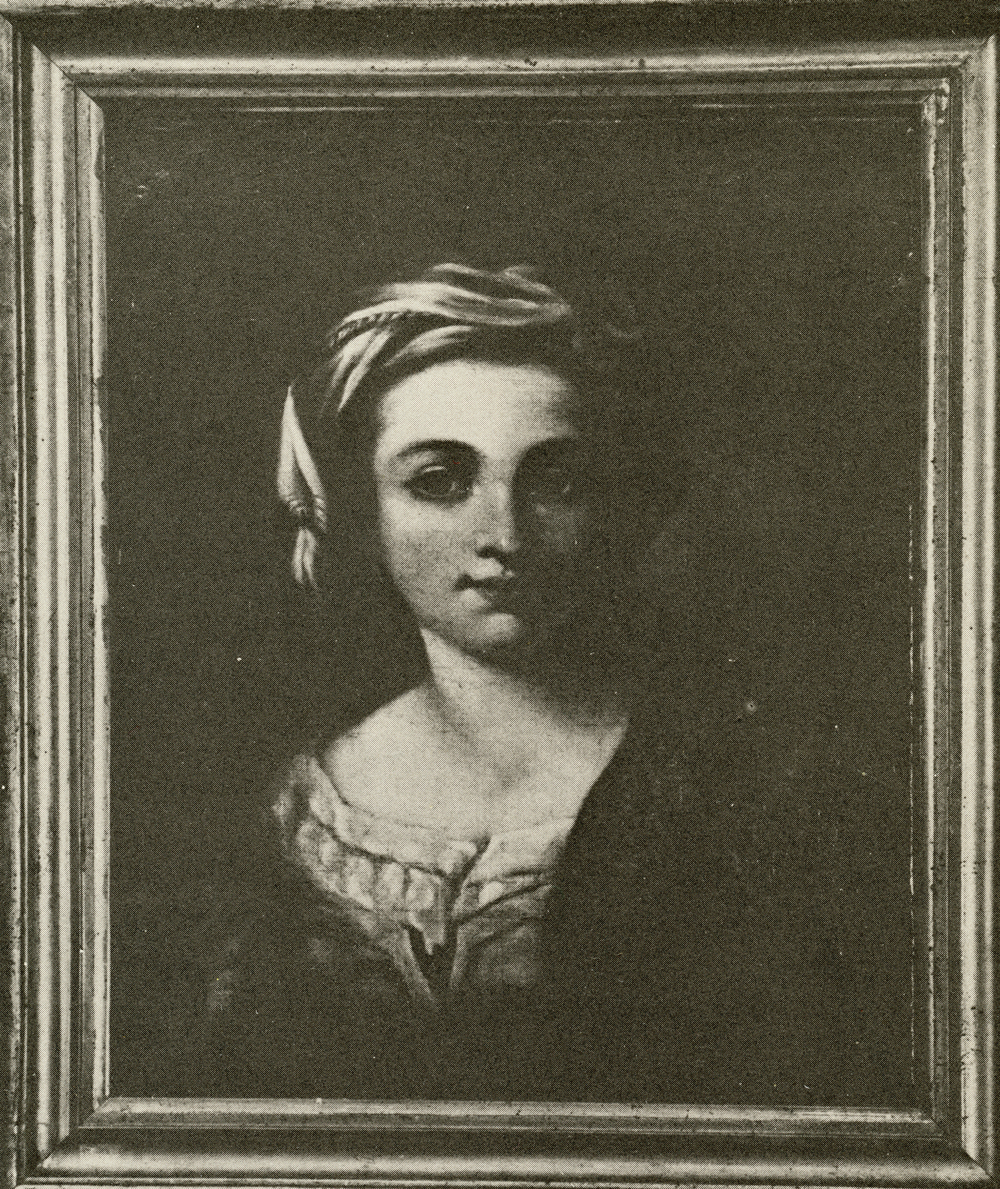
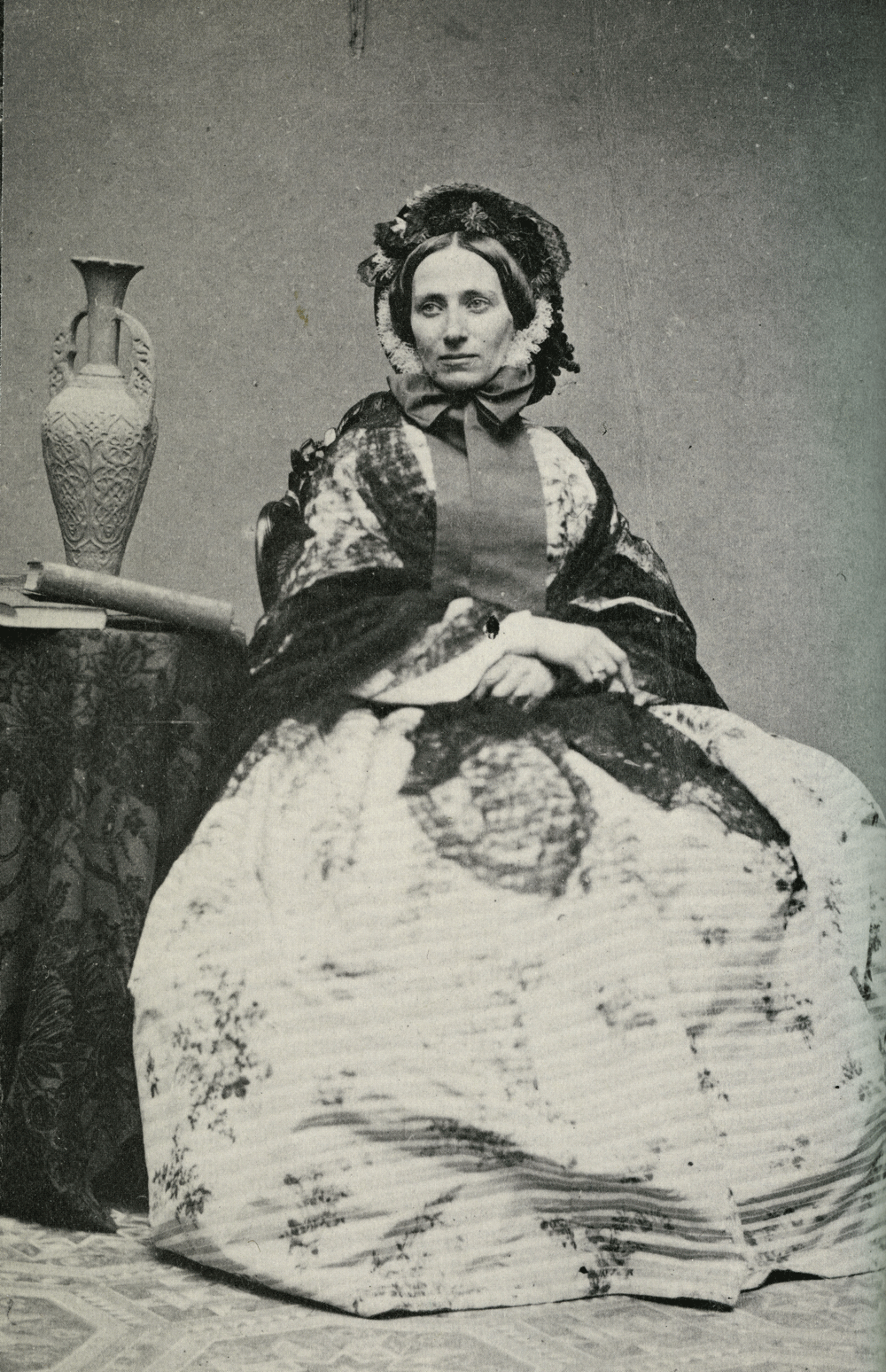
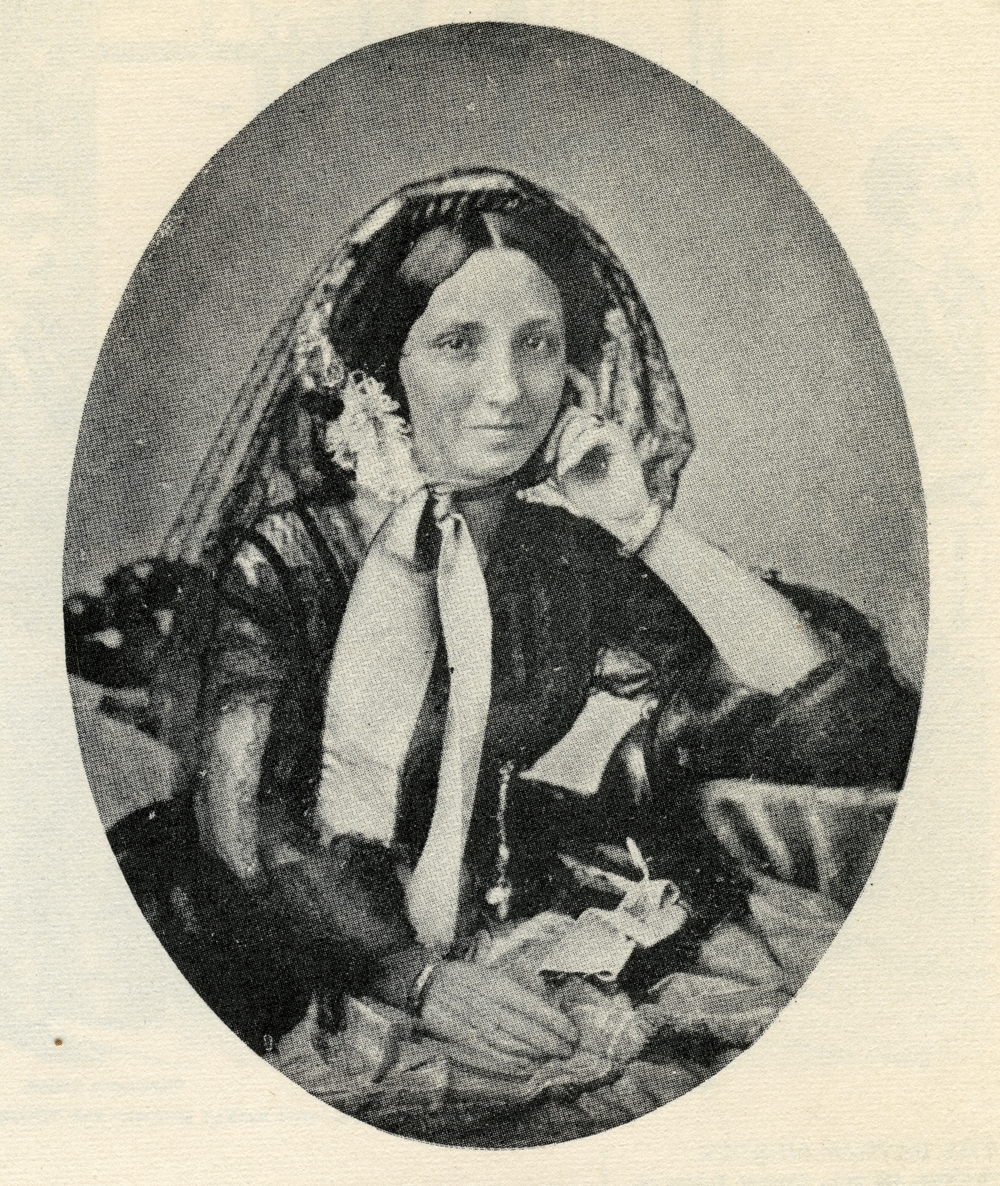
The beautiful and poetic Rebecca Gratz. American Jewish Historical Society
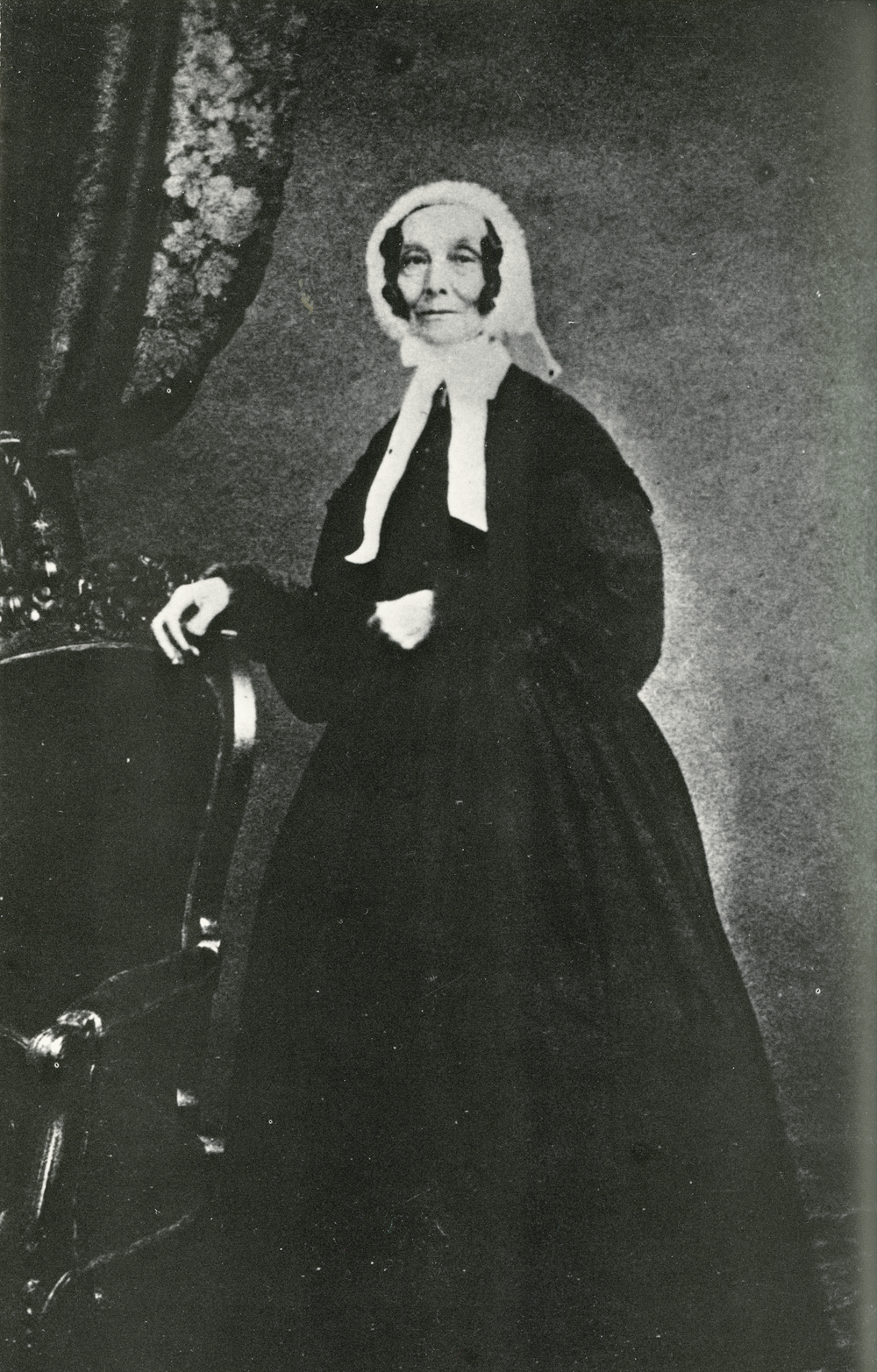
Rebecca Gratz, still beautiful in her eighties. American Jewish Historical Society.
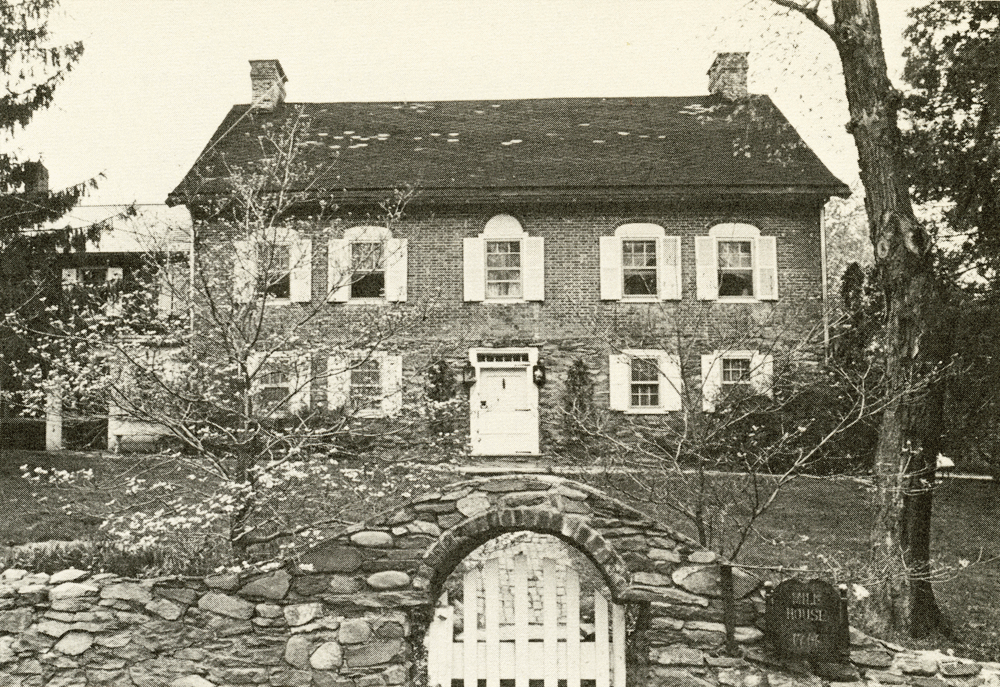
The house that Daniel Gomez built, as it stands today, near Newburgh, N.Y. New York Times Studio
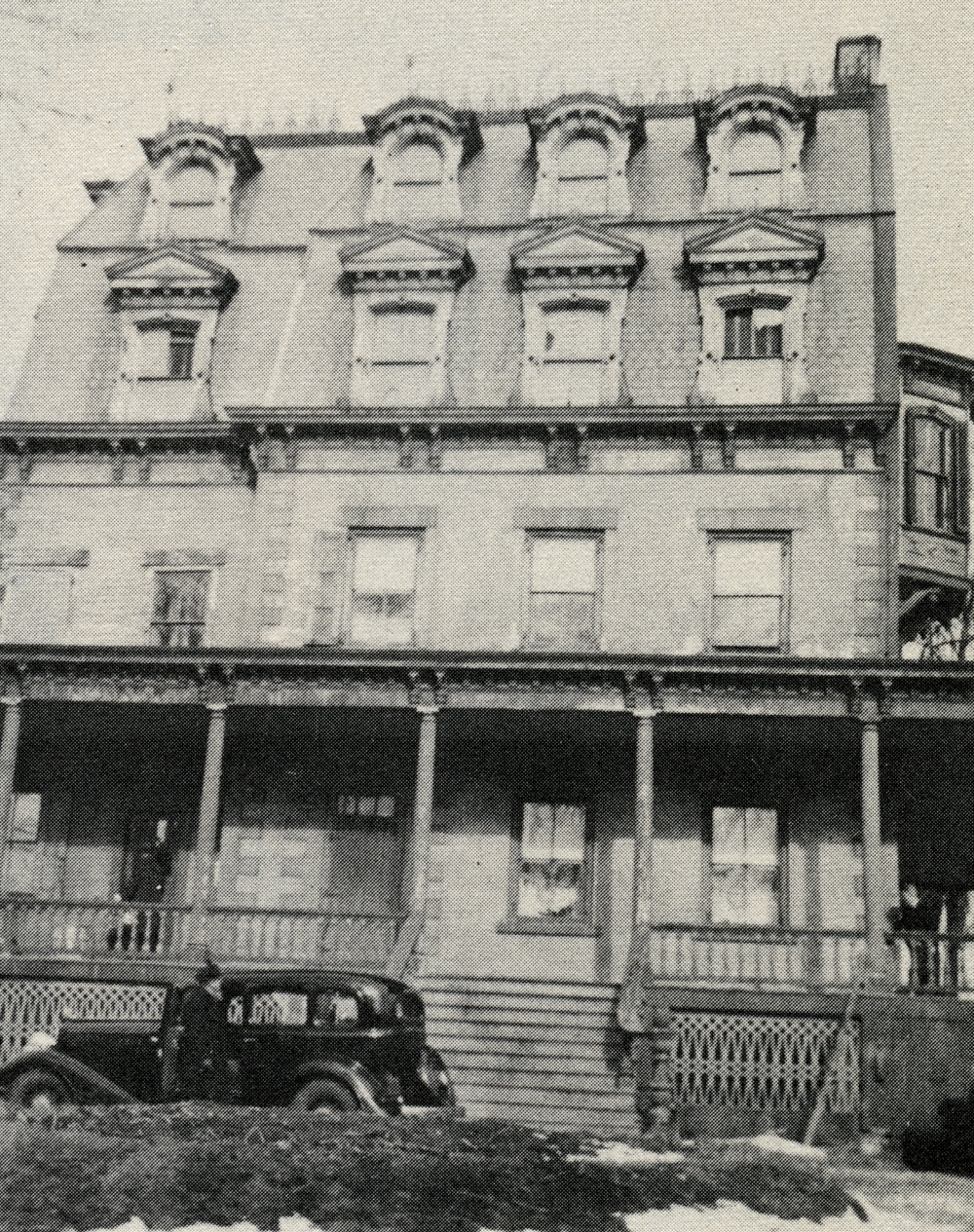
The mansion of Uriah Hendricks II, in Belleville, N.J. A second mansard roof was added to help accommodate the copper magnate's seventeen children. Courtesy of Mrs. Lafayette A. Goldstone
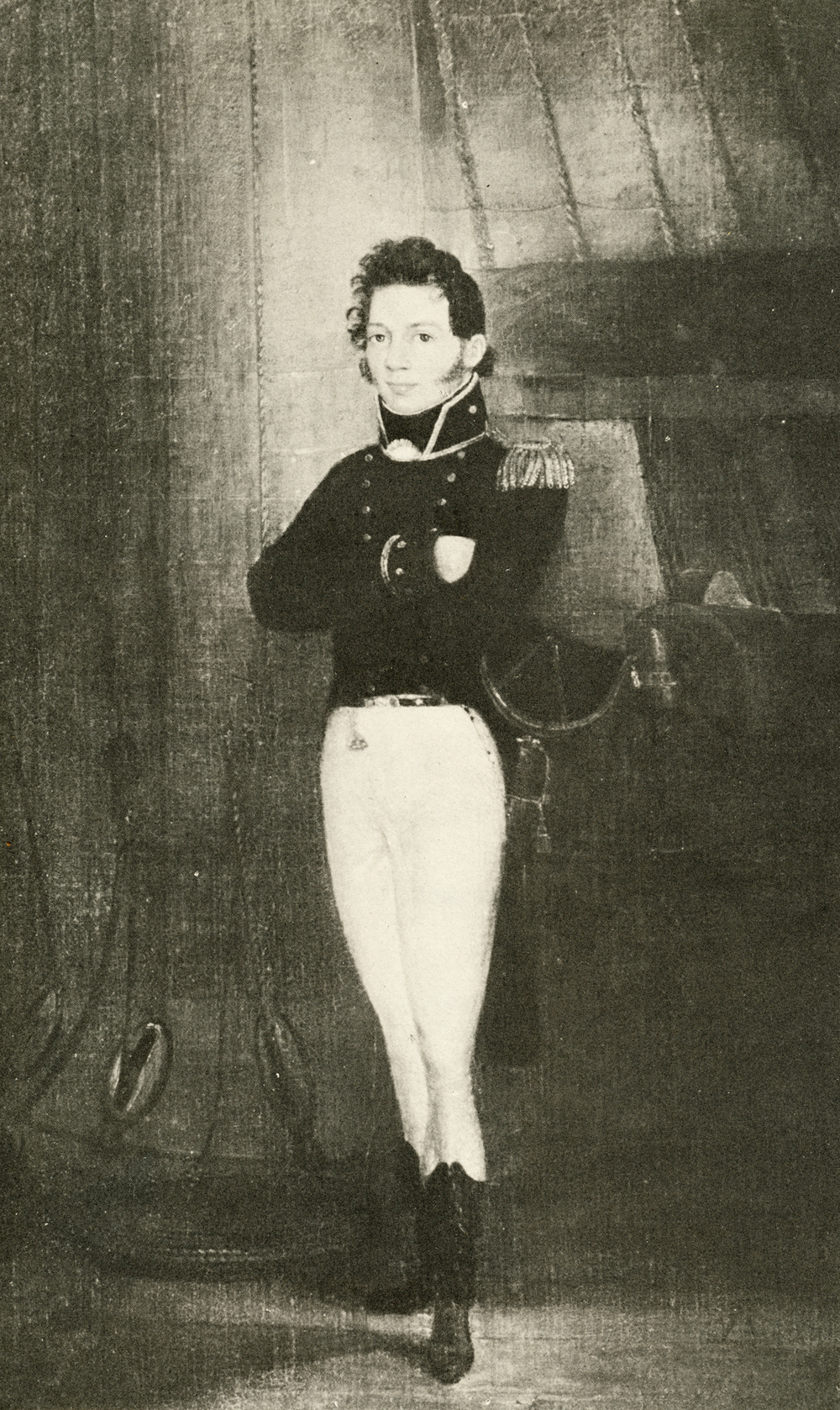
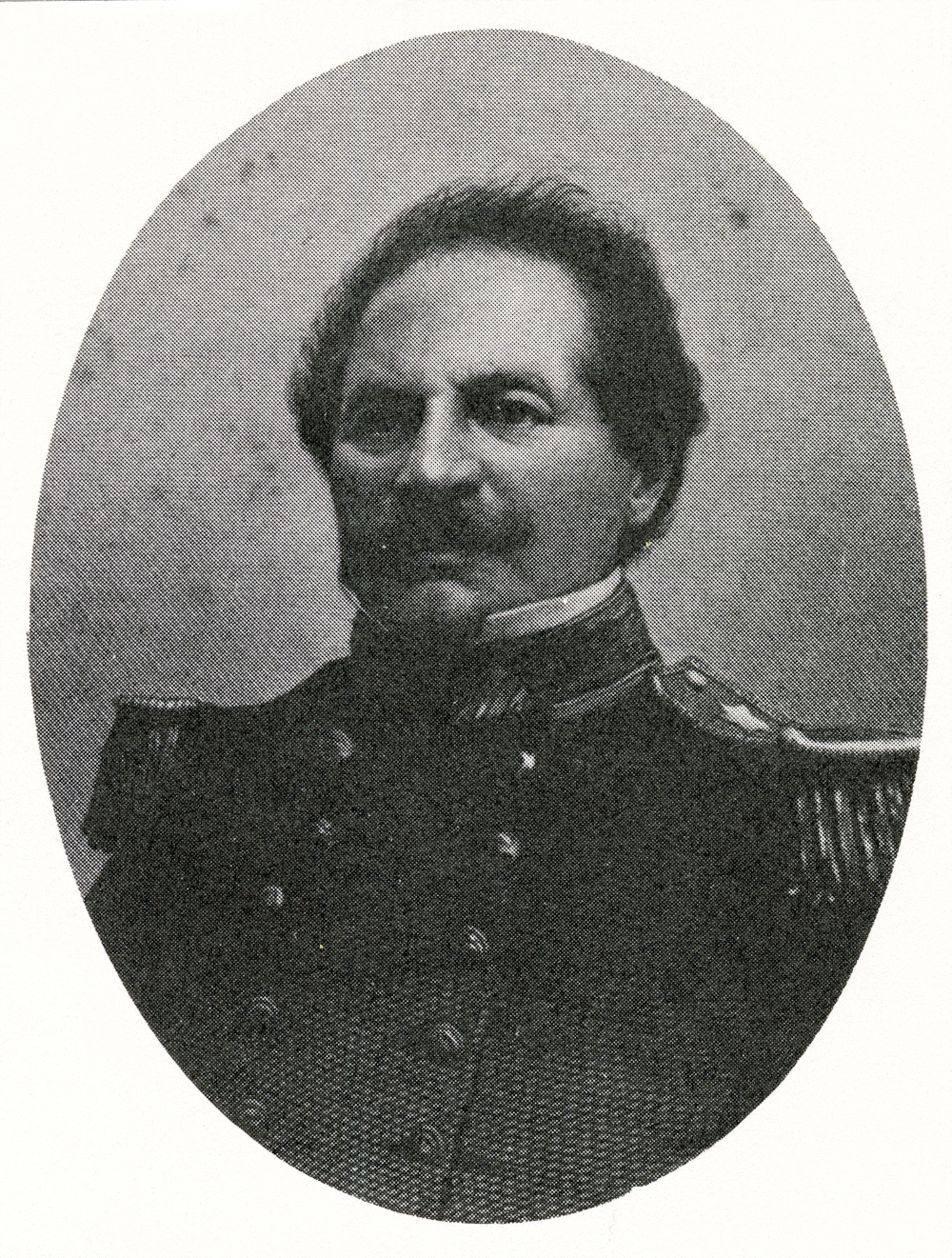
The Navy firebrand, Uriah Phillips Levy, as portrayed by Thomas Sully. American Jewish Historical Society
Uriah Phillipos Levy at the peak of his career. American Jewish Historical Society
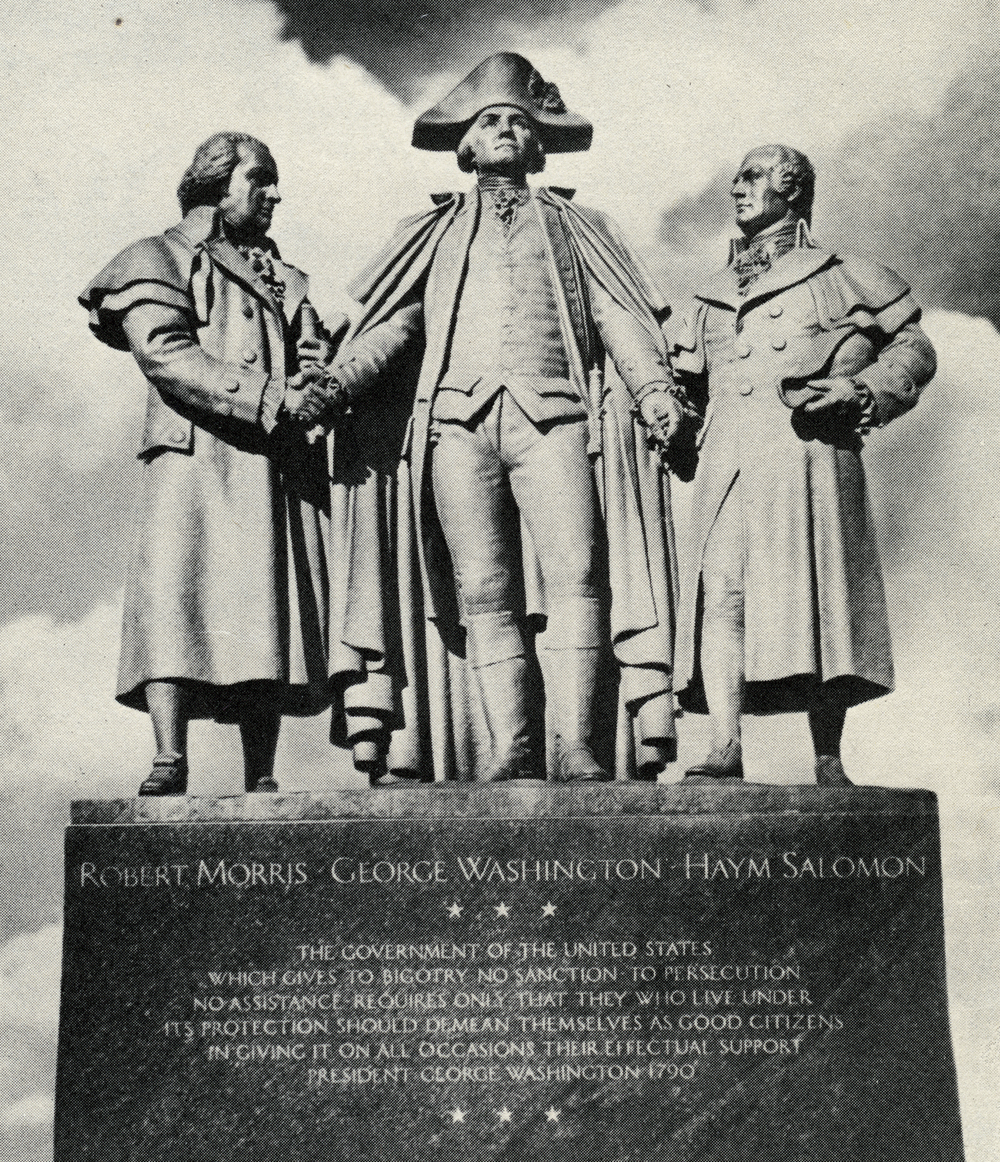
Chicago's monument to Haym Salomon, Revolutionary financier. Ewing Galloway, N.Y.
Aunt Amelia Barnard Lazarus, whose home was a haven for the artistic and well-placed. Courtesy of Mrs. Lafayette A. Goldstone
The tragic Annie Florance Nathan
Her husband, Robert Weeks Nathan
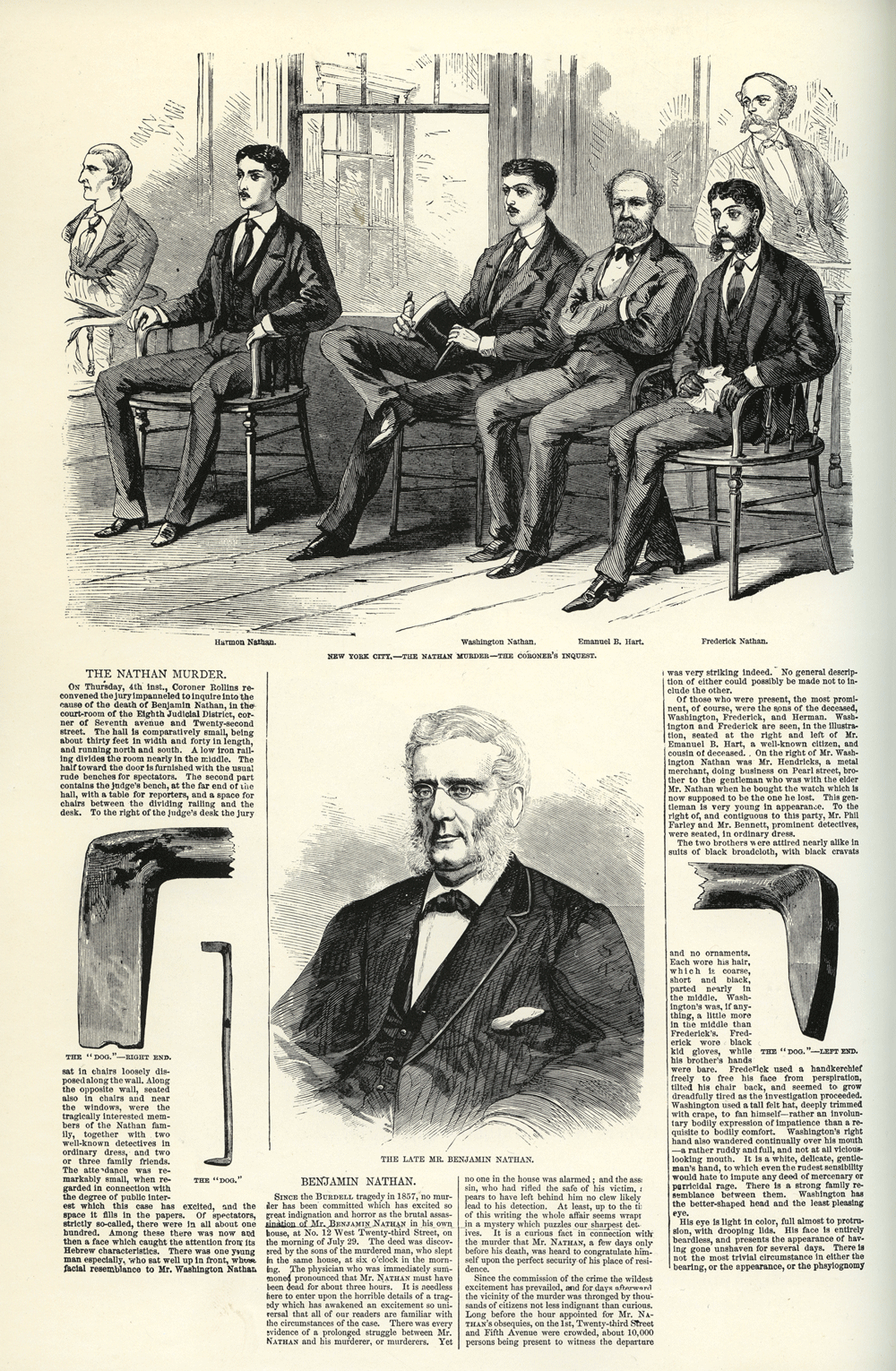
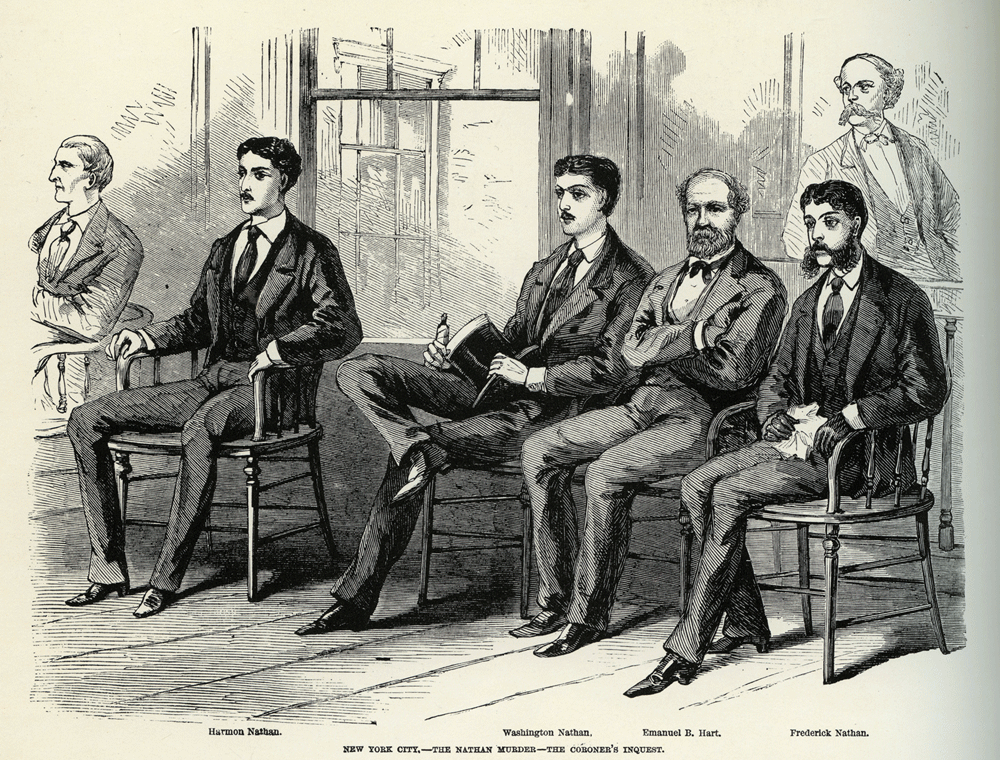
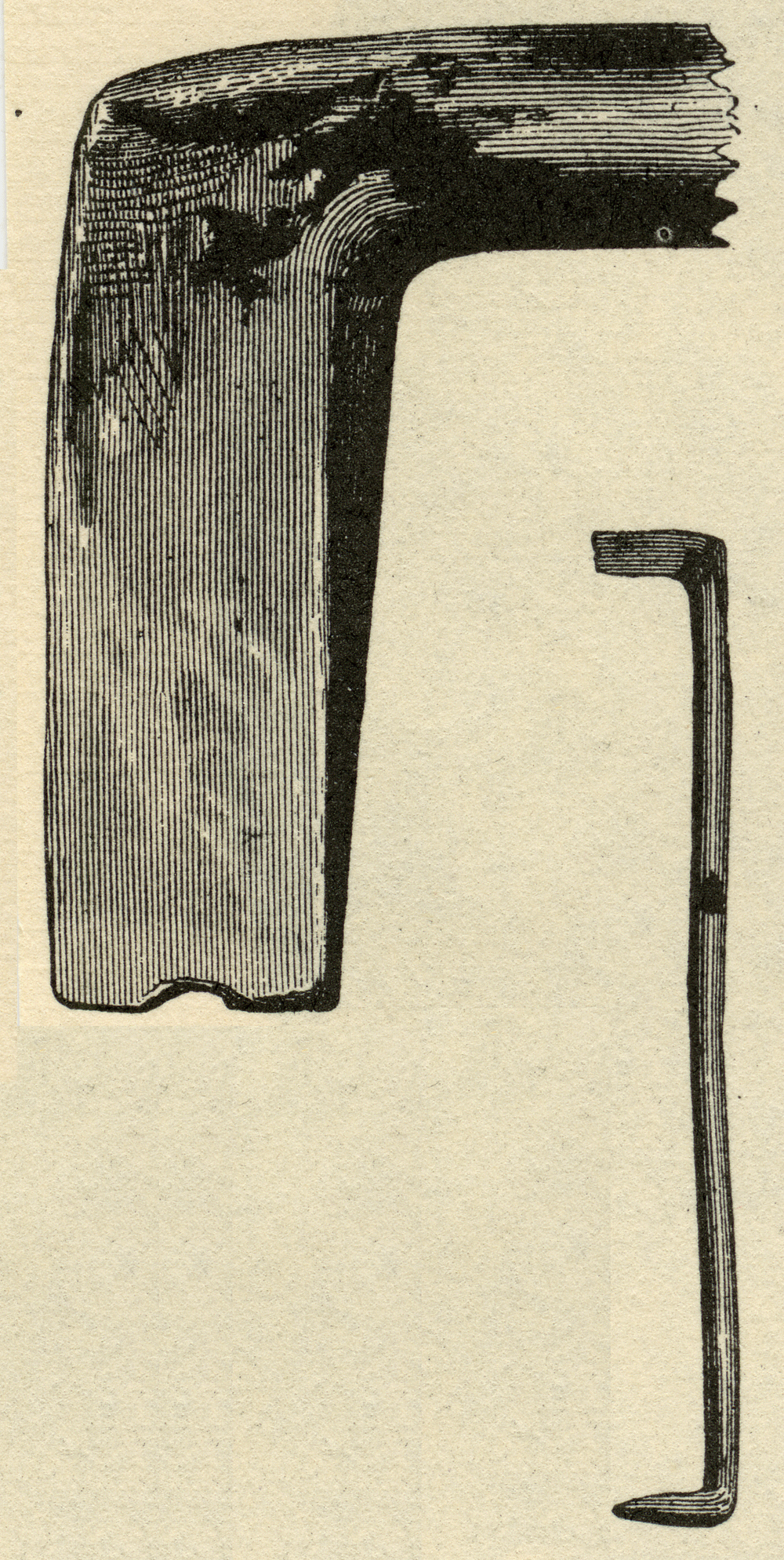
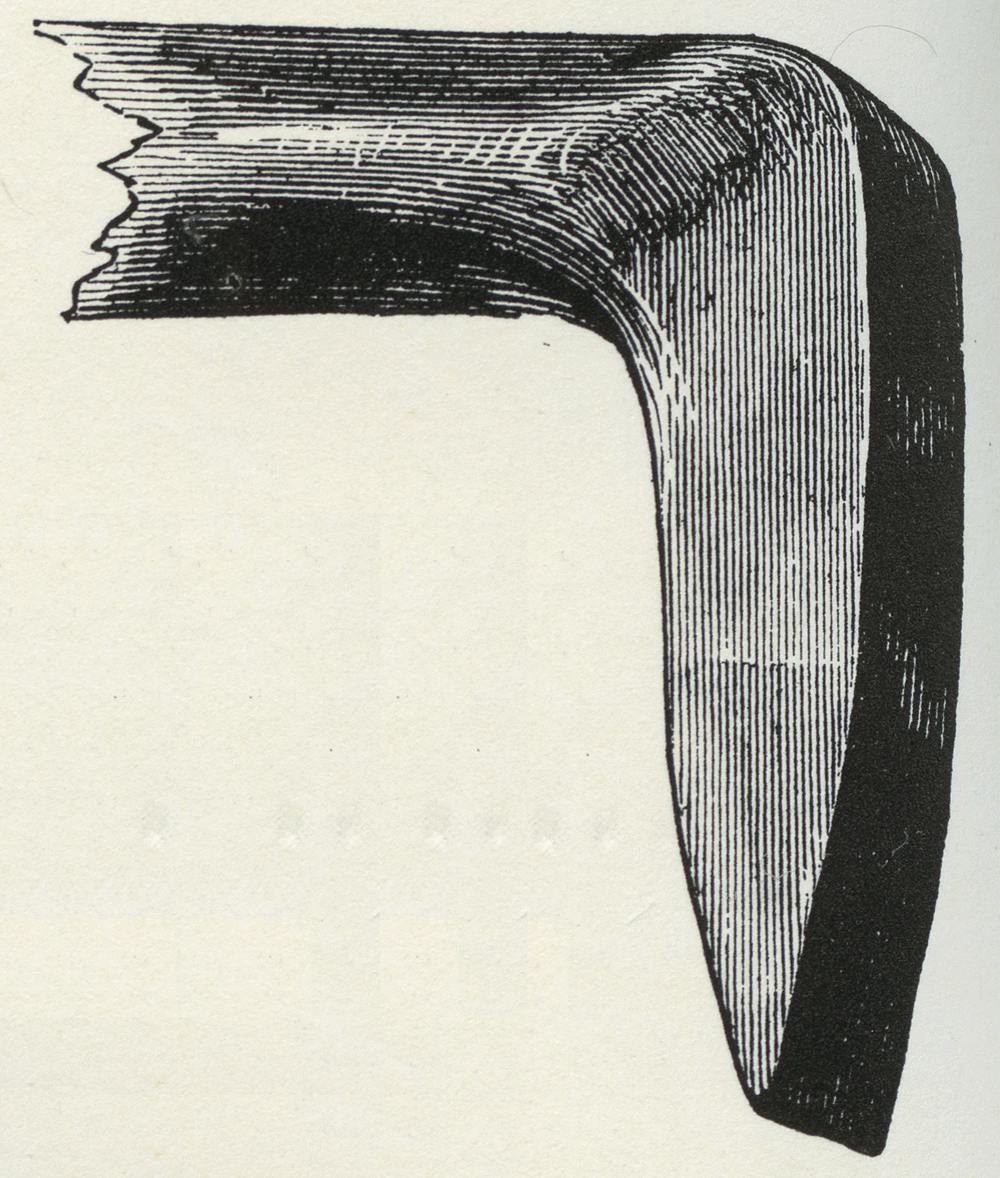
Harmon Nathan, Washington Nathan, Emanuel B. Hart, Frederick Nathan The murder of kindly Benjamin Nathan created a national sensation. Washington Nathan (seated at center above, holding his hat) was accused of bludgeoning his father with the carpenter's "dog." Culver Pictures, Inc. THE NATHAN MURDER. On Thursday, 4th inst., Coroner Rollins reconvened the jury impanneled to inquire into the cause of the death of Benjamin Nathan, in the court-room of the Eighth Judicial District, corner of Seventh avenue and Twenty-second Street. The hall is comparatively small, being about thirty feet in width and forty in length, and running north and south. A low iron railing divides the room nearly in the middle. The half toward the door is furnished with the usual rude benches for spectators. The second part contains the judge's bench, at the far end of the hall, with a table for reporters, and a space of chairs between the dividing railing and the desk. To the right of the judge's desk the jury sat in chairs loosely disposed along the wall. Along the opposite wall, seated also in chairs and near the windows, were the tragically interested members of the Nathan family, together with two well-known detectives in ordinary dress, and two or three family friends. The attendance was remarkably small, when regarded in connection with the degree of public interest which this case has excited, and the space it fills in the papers. Of spectators, strictly so-called, there were in all about one hundred. Among these there was now and then a face which caught the attention from its Hebrew characteristics. There was one young man especially, who sat well up in front, whose facial resemblance to Mr. Washington Nathan was very striking indeed. No general description of either could possibly be made not to include the other. Of those who were present, the most prominent, of course, were the sons of the deceased, Washington, Frederick, and Herman. Washington and Frederick are seen, in the illustration, seated at the right and left of Mr. Emanuel B. Hart, a well-known citizen, and cousin of deceased. On the right of Mr. Washington Nathan was Mr. Hendricks, a metal merchant, doing business on Pearl street, brother to the gentleman who was with the elder Mr. Nathan when he bought the watch which is now supposed to be the one he lost. This gentleman is very young in appearance. To the right of, and contiguous to this party, Mr. Phil Farley and Mr. Bennett, prominent detectives were seated, in ordinary dress. The two brothers were attired nearly alike in suits of black broadcloth, with black cravats and no ornaments. Each wore his hair, which is coarse, short and black, parted nearly in the middle. Washington's was, if anything, a little more in the middle than Frederick's. Frederick wore black kid gloves, while his brother's hands were bare. Frederick used a handkerchief freely to free his face from perspiration, tilted his chair back, and seemed to grow dreadfully tired as the investigation proceeded. Washington used a tall felt hat, deeply trimmed with crape, to fan himself -- rather an involuntary bodily expression of impatience than a requisite to bodily comfort. Washington's right hand also wandered continually over his mouth -- a rather ruddy and full, and not at all vicious-looking mouth. It is a white, delicate, gentleman's hand, to which even the rudest sensibility would hate to impute any deed of mercenary of patricidal rage. There is a strong resemblance between them. Washington has the better-shaped head and the least pleasing eye. His eye is light in color, full almost to protrusion, with drooping lids. His face is entirely beardless, and presents the appearance of having gone unshaven for several days. There is not the most trivial circumstance in either the bearing, or the appearance, or the physiognomy
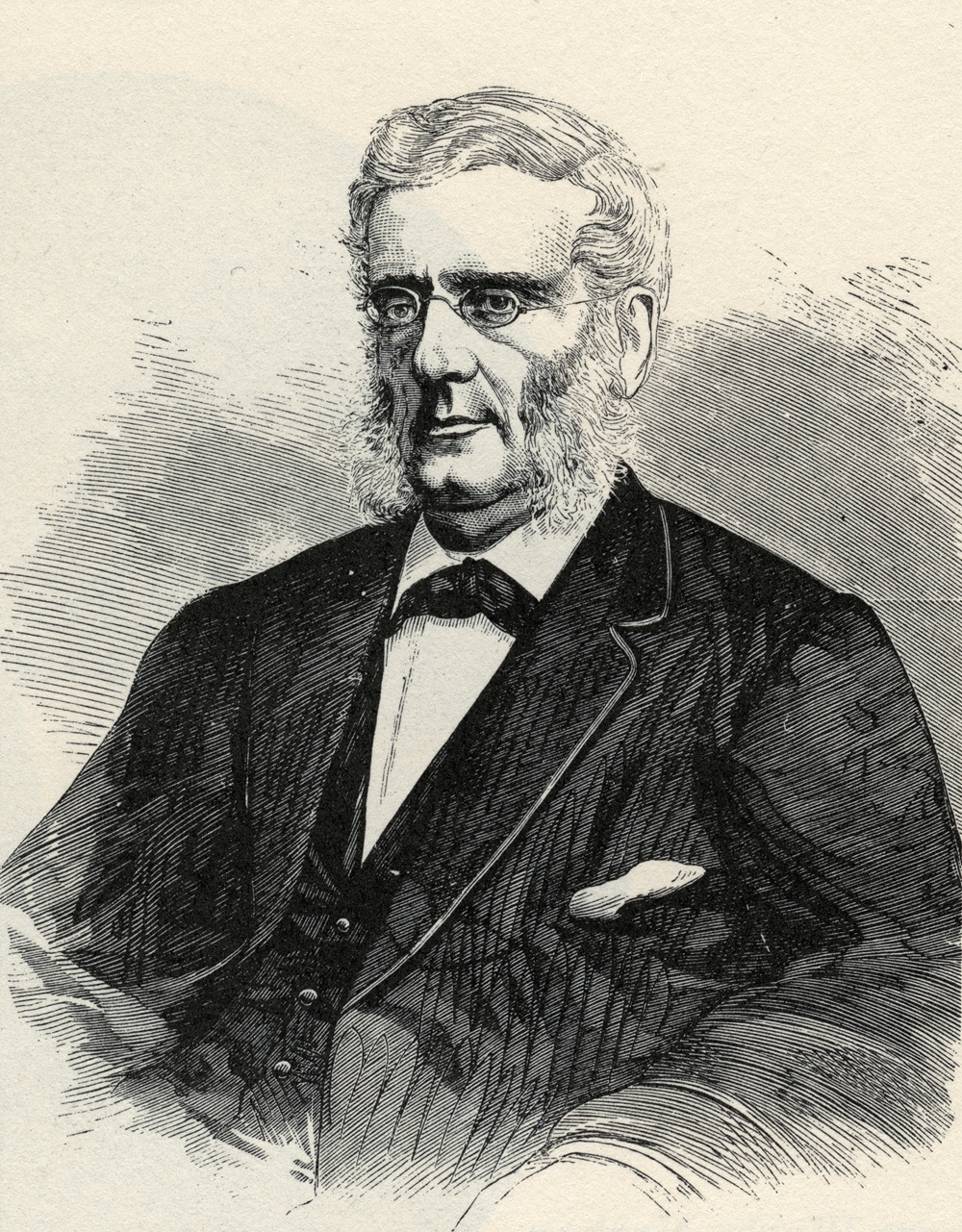
The late Mr. Benjamin Nathan BENJAMIN NATHAN. Since the Burdell tragedy in 1857, no murder has been committed which has excited so great indignation and horror as the brutal assassination of Mr. Benjamin Nathan in his own house, at No. 12 West Twenty-third Street, on the morning of July 29. The deed was discovered by the sons of the murdered man, who slept in the same house, at six o'clock in the morning. The physician who was immediately summoned pronounced that Mr. Nathan must have been dead for about three hours. It is needless here to enter upon the horrible details of a tragedy which has awakened an excitement so universal that all of our readers are familiar with the circumstances of the case. There was every evidence of a prolonged struggle between Mr. Nathan and his murderer, or murderers. Yet no one in the house was alarmed; and the assassin, who had rifled the safe of his victim, appears to have left behind him no clew likely to lead to his detection. At least, up to the time of this writing the whole affair seems wrapped in a mystery which puzzles our sharpest detectives. It is a curious fact in connection with the murder that Mr. Nathan, a few days only before his death, was heard to congratulate himself upon the perfect security of his place of residence. Since the commission of the crime the wildest excitement has prevailed, and for days afterward the vicinity of the murder was thronged by thousands of citizens not less indignant than curious. Long before the hour appointed for Mr. Nathan's obsequies, on the 1st, Twenty-third Street and Fifth Avenue were crowded, about 10,000 persons being present to witness the departure
The "Dog" -- right end.
The "Dog" -- left end.
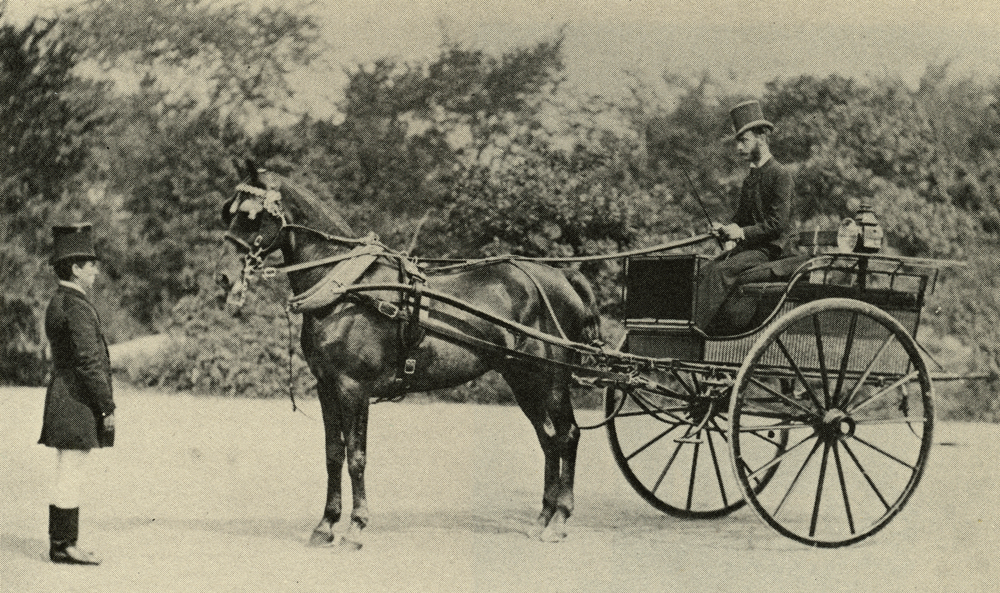
Mr. Julian Nathan, elegant young New Yorker, in Central Park with cart and groom. Museum of the City of New York
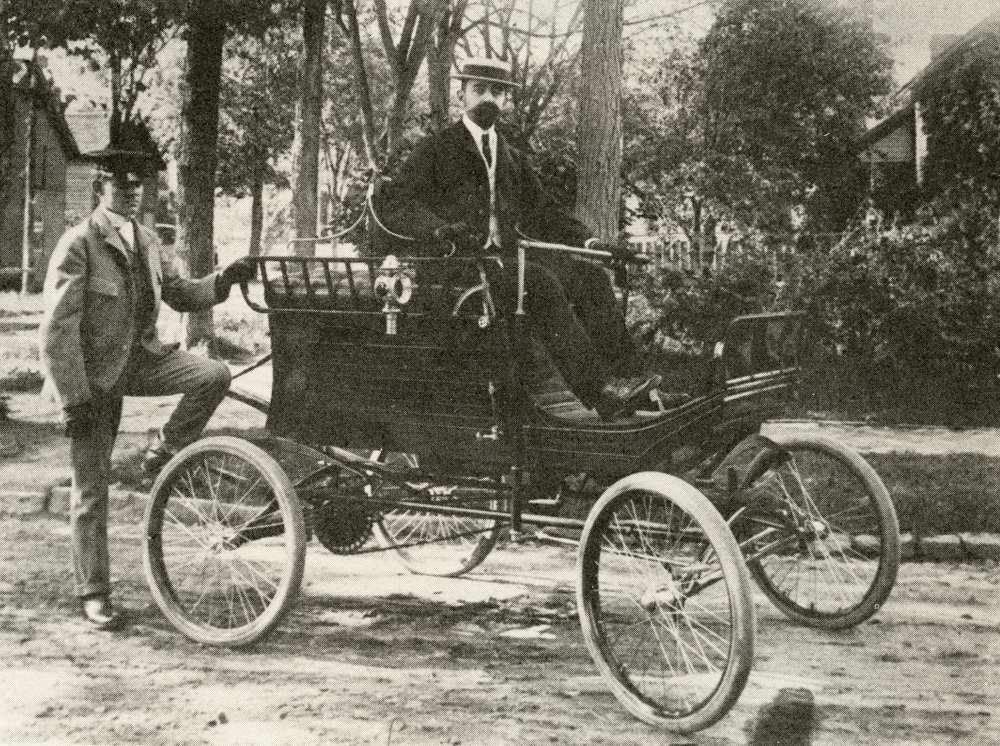
Cousin Florian Tobias, who enjoyed leisure, worked at nothing; with George, his chauffeur, and "the first automobile in Saratoga," circa 1900. Courtesy of Mrs. Lafayette A. Goldstone.
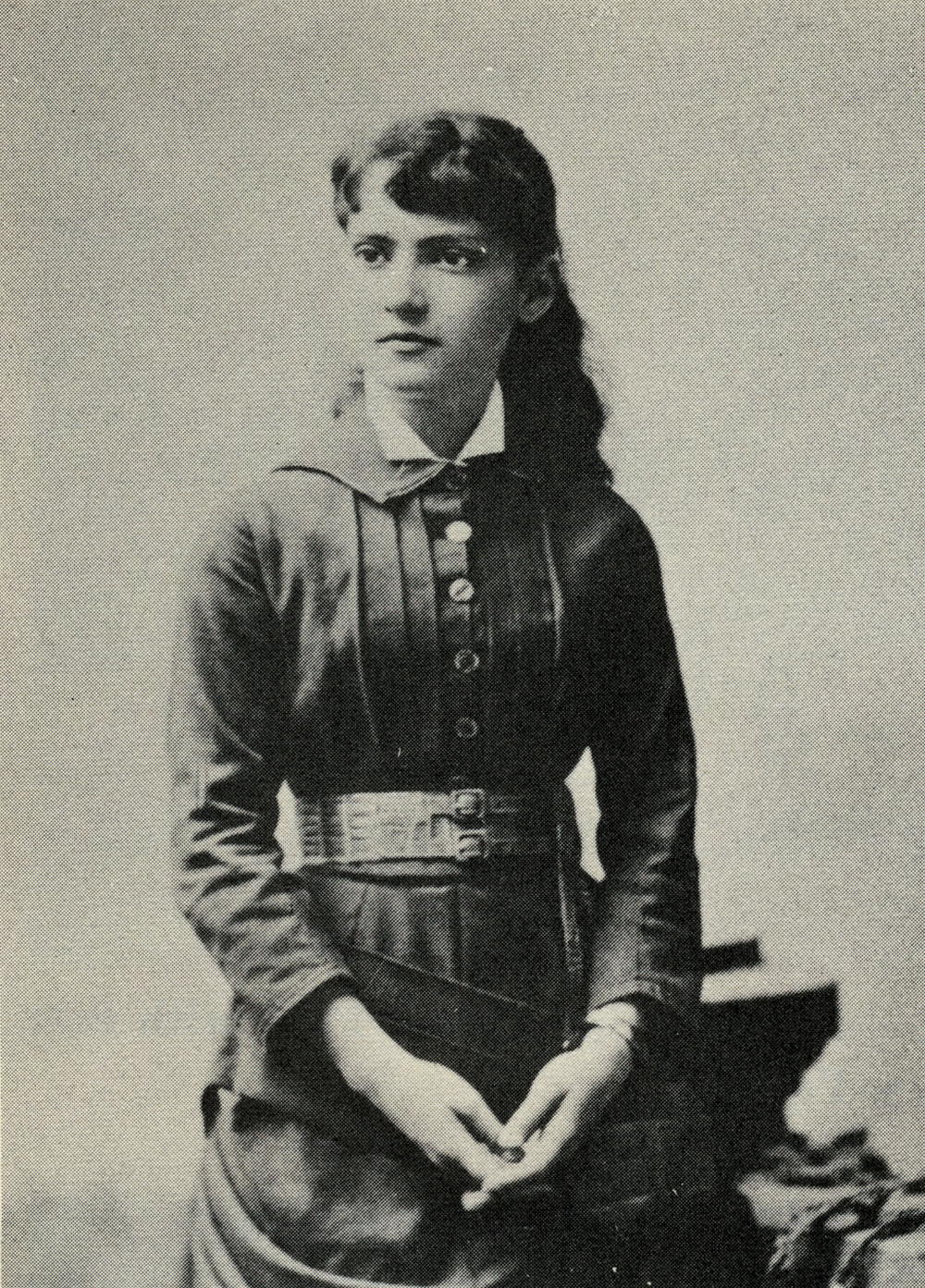
Barnard College founder Annie Nathan Meyer, as a girl of about fifteen. Barnard College Archives
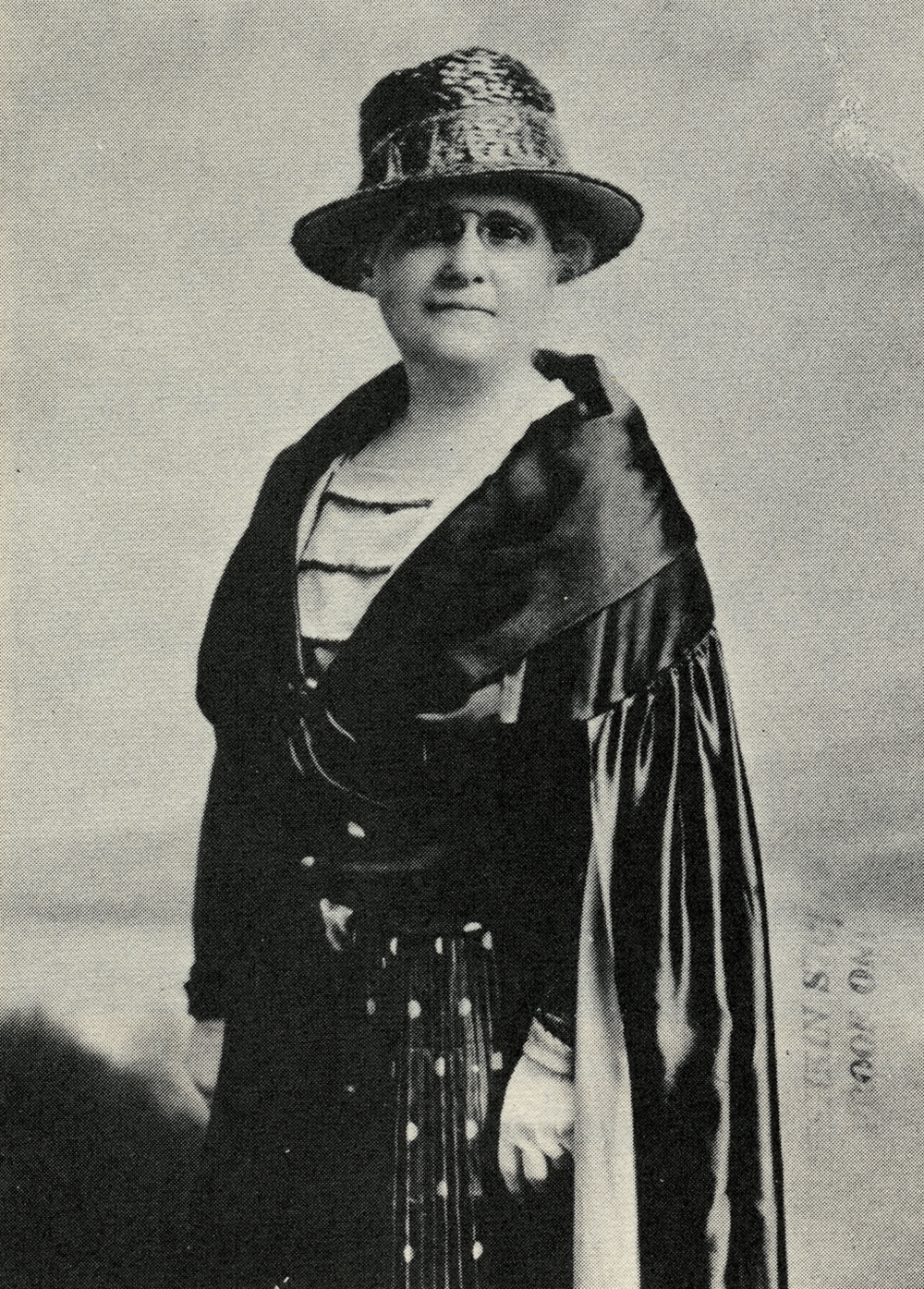
Annie Nathan Meyer in later years. Barnard College Archives
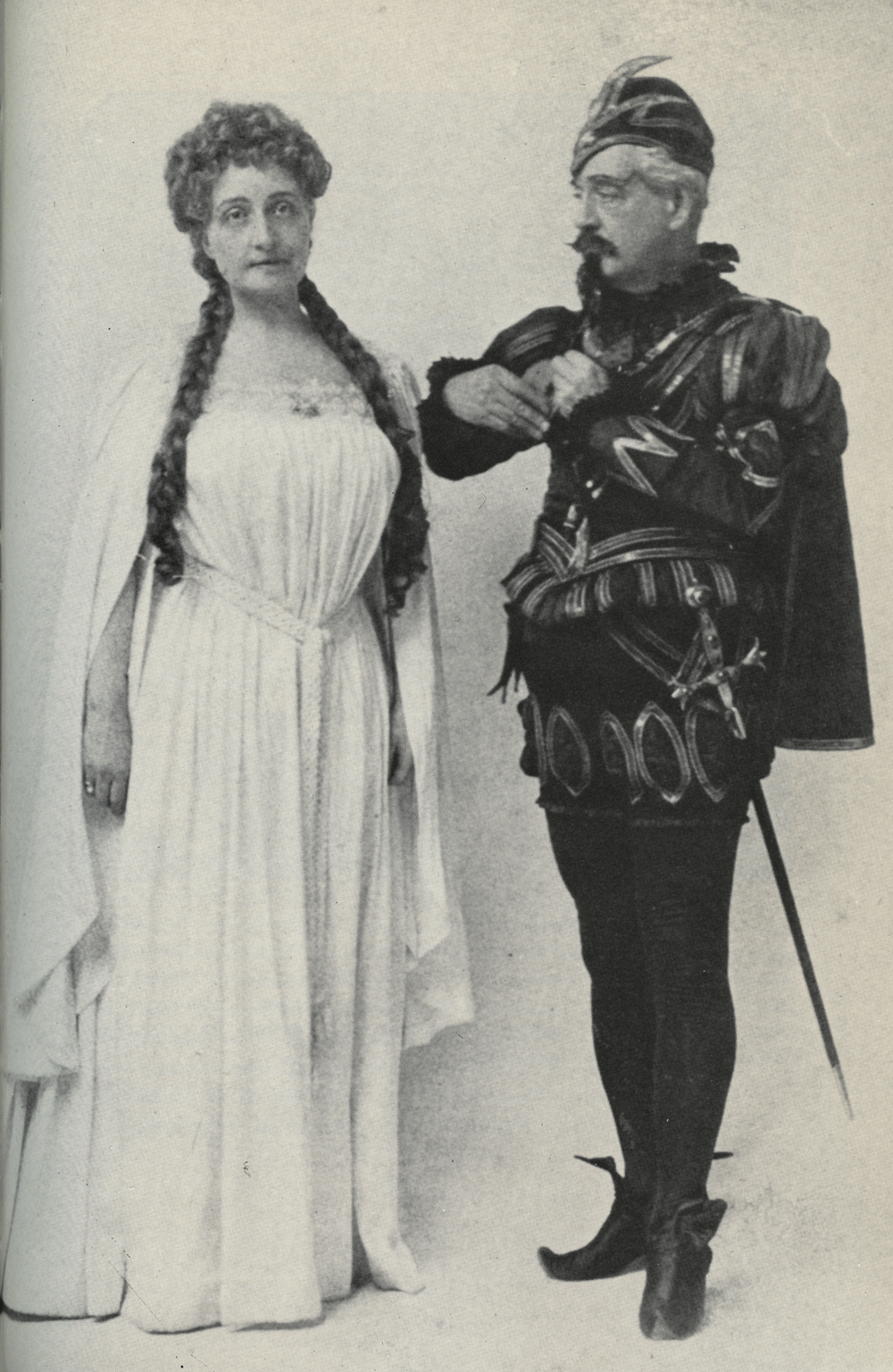
Maude Nathan Nathan (she married a cousin), and her husband, bound for a costume ball
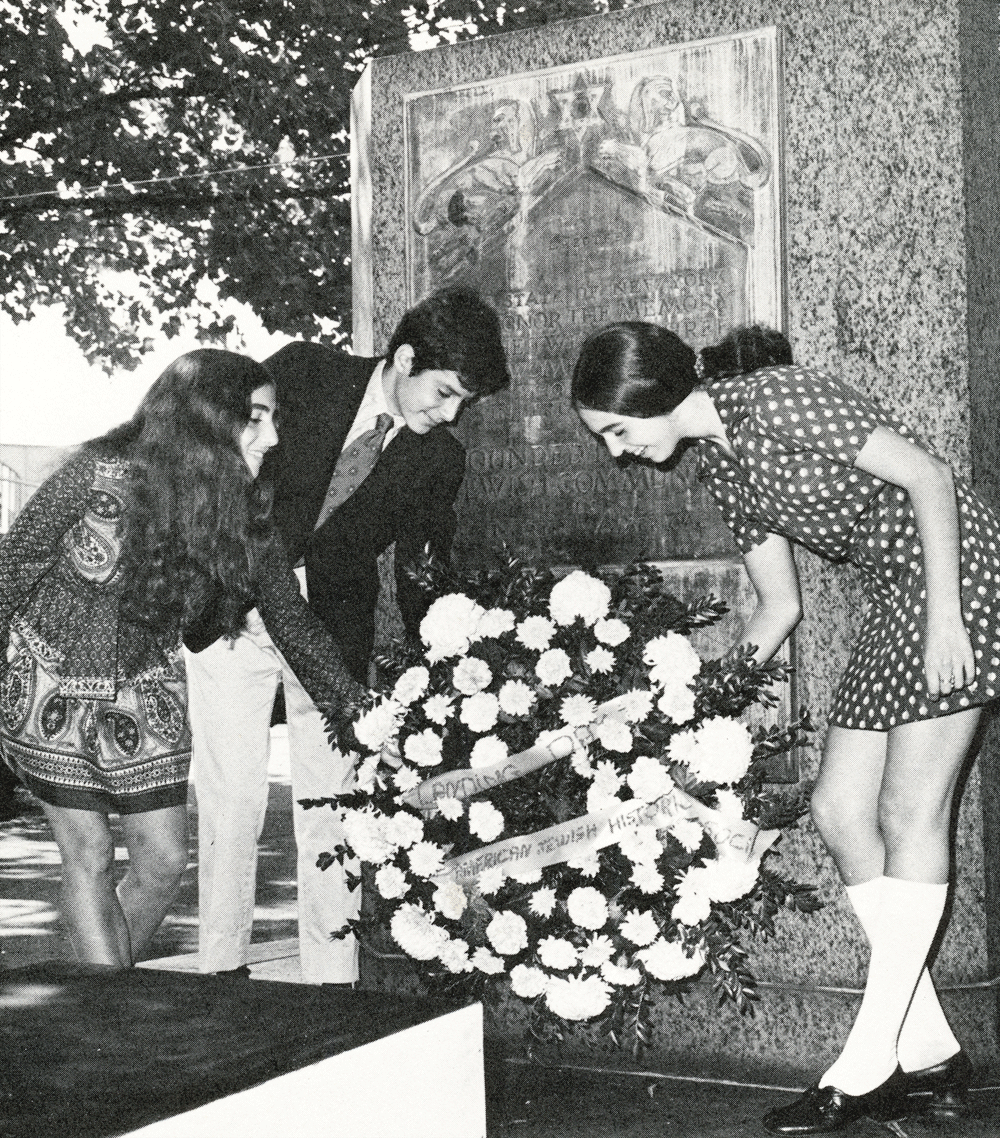
In 1970, three direct descendants of the Twenty-Three placed a commemorative wreath on the plaque erected in downtown Manhattan to mark the spot where the first Jews entered the New World. From left, the children are Sara Ellen Nathan, daughter of Mr. and Mrs. Edgar J. Nathan III, Henry Hendricks Schulson, son of Mr. and Mrs. Hyman A. Schulson; and Jean Elson Nathan, daughter of Mr. and Mrs. Frederic Da Silva Solis Nathan. B & G International Photos
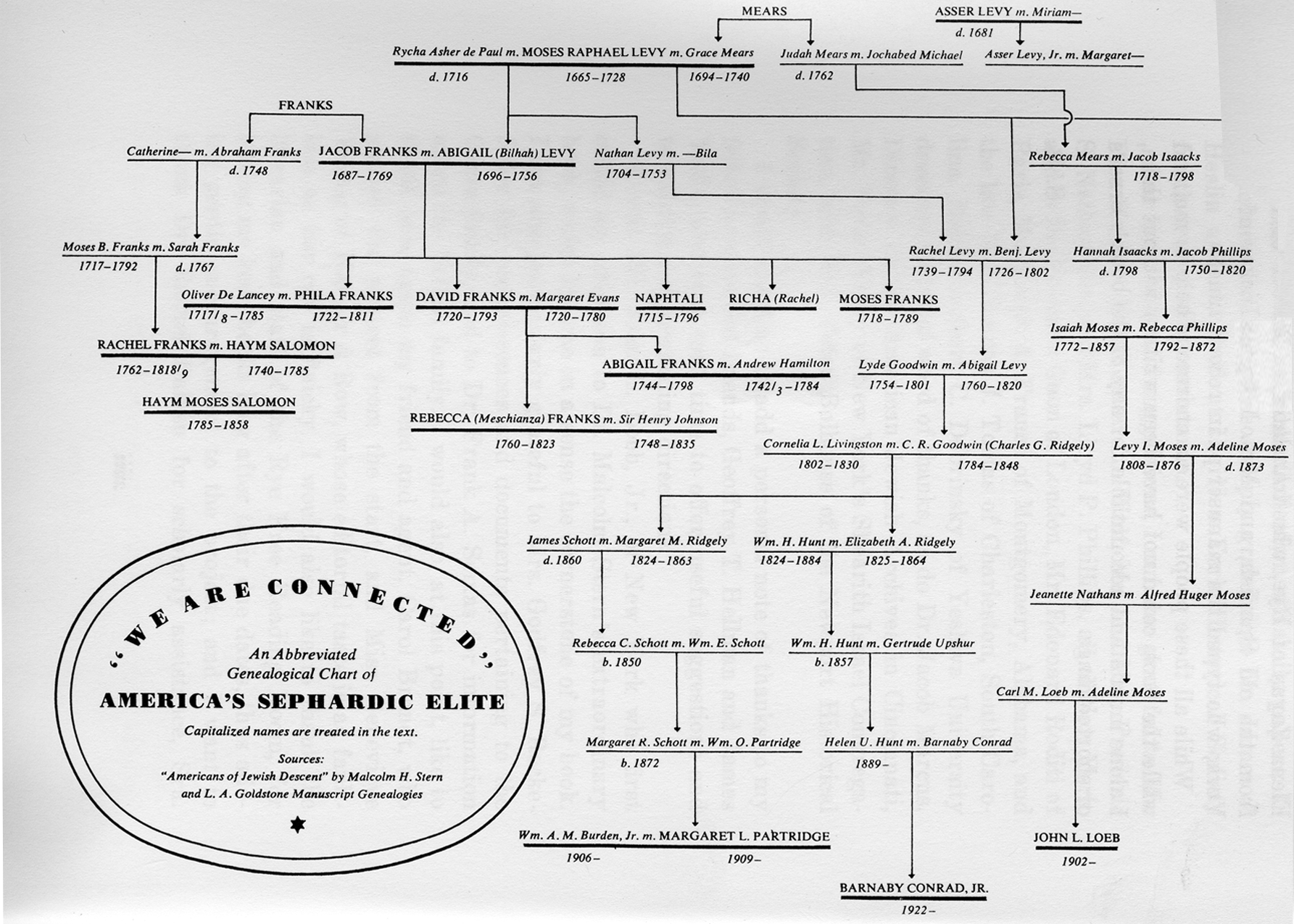
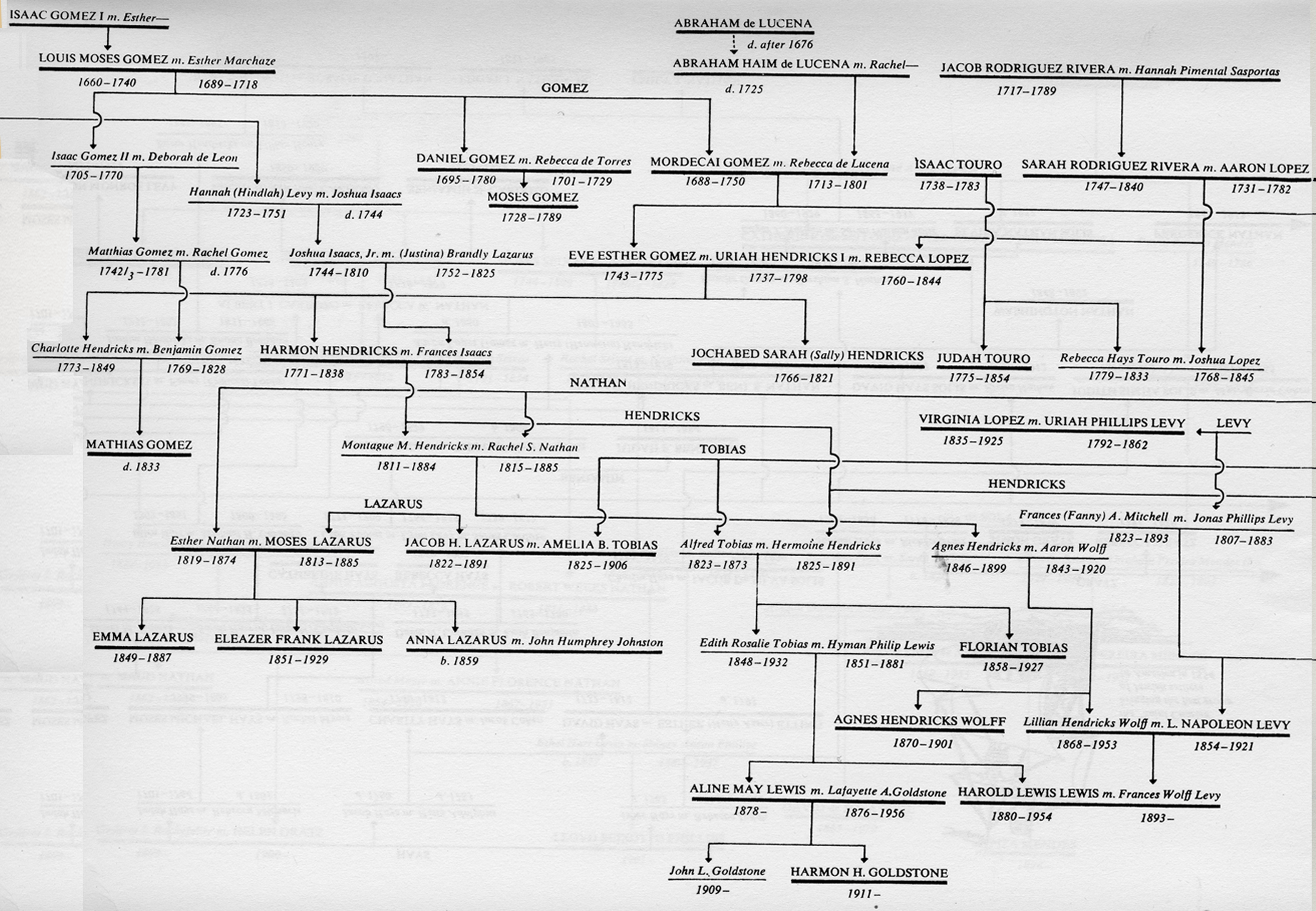
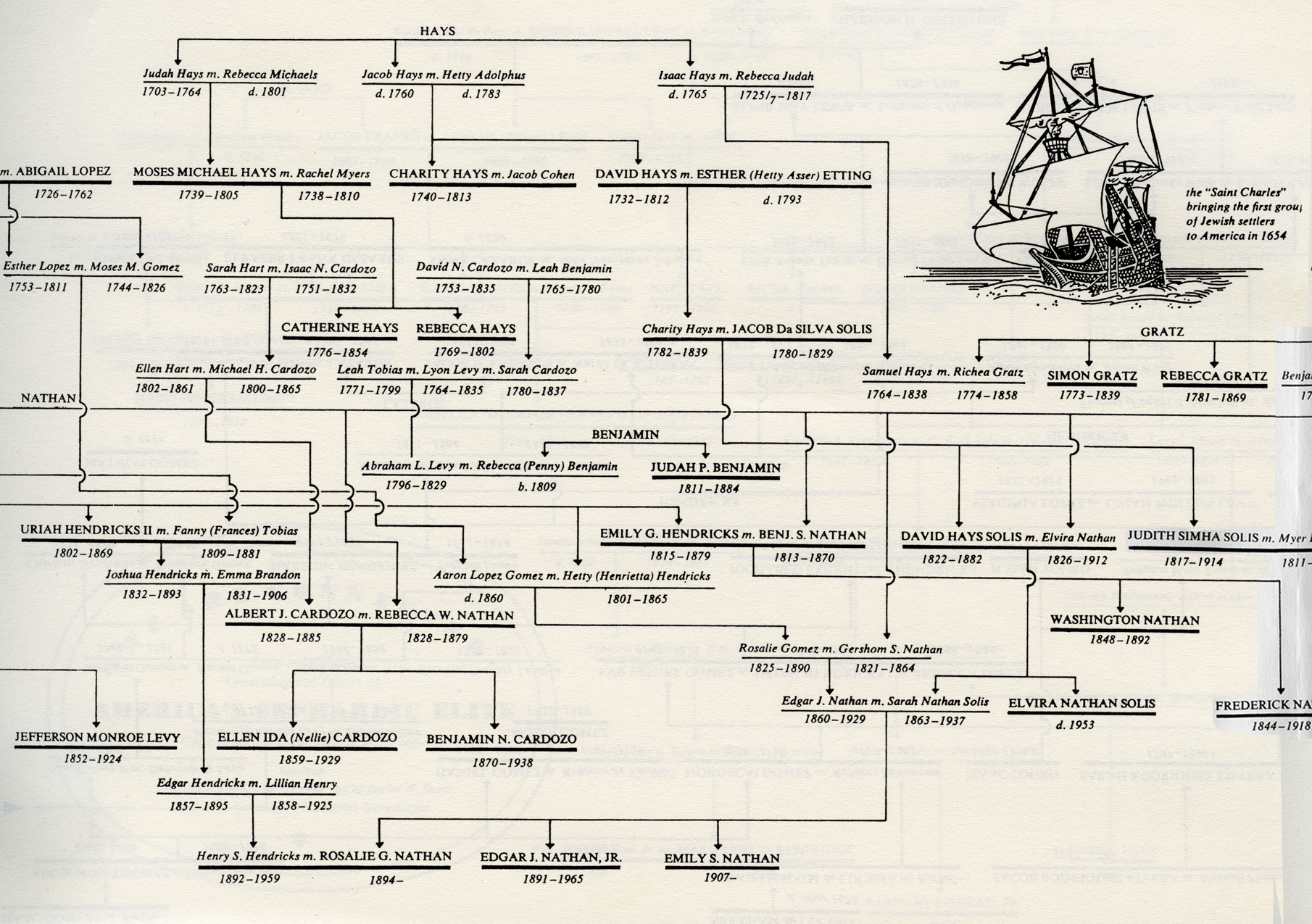
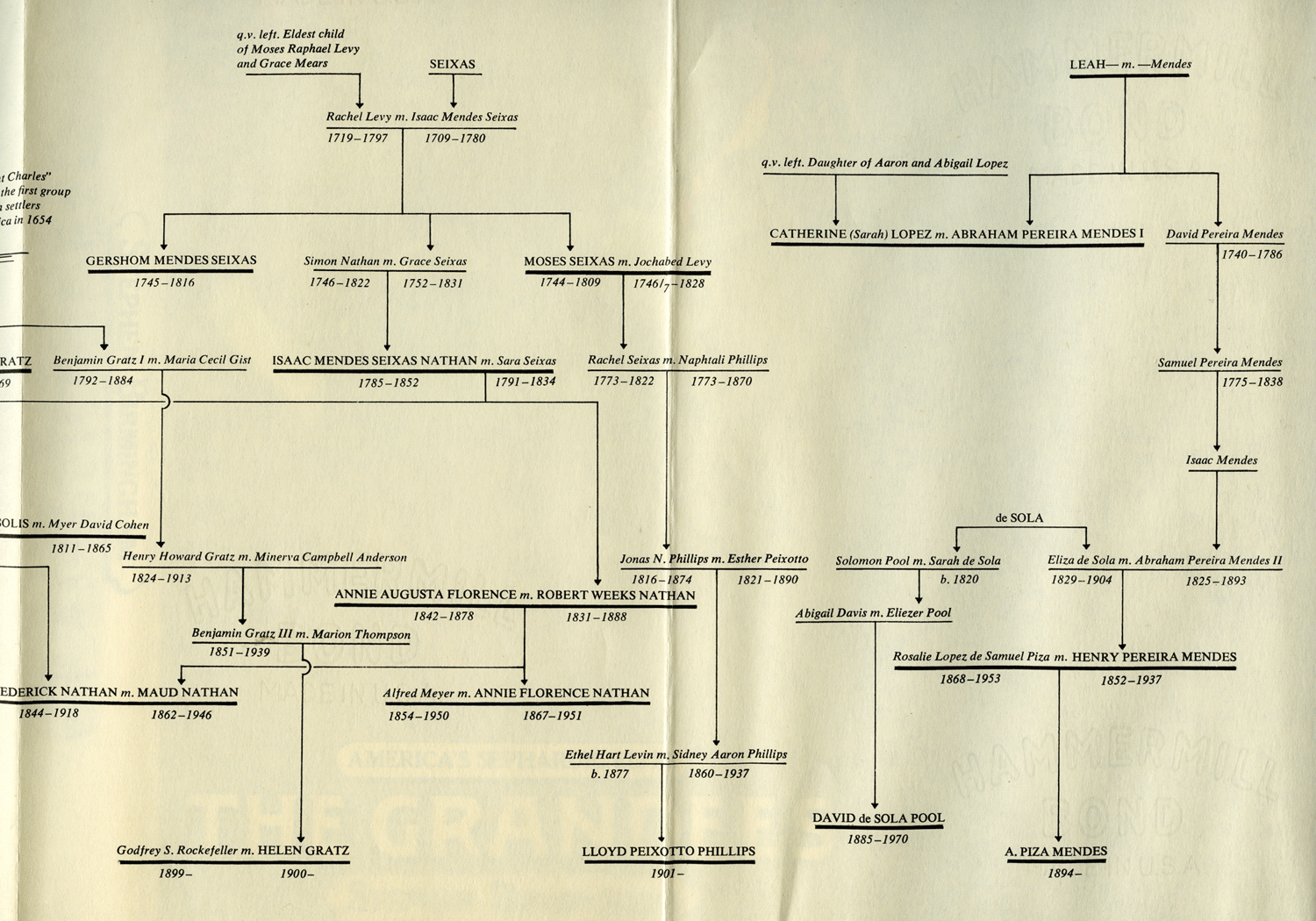
"WE ARE CONNECTED". An Abbreviated Genealogical Chart of AMERICA'S SEPHARDIC ELITE. Capitalized names are treated in the text. Sources: "Americans of Jewish Descent" by Malcolm H. Stern and L.A. Goldstone Manuscript Genealogies
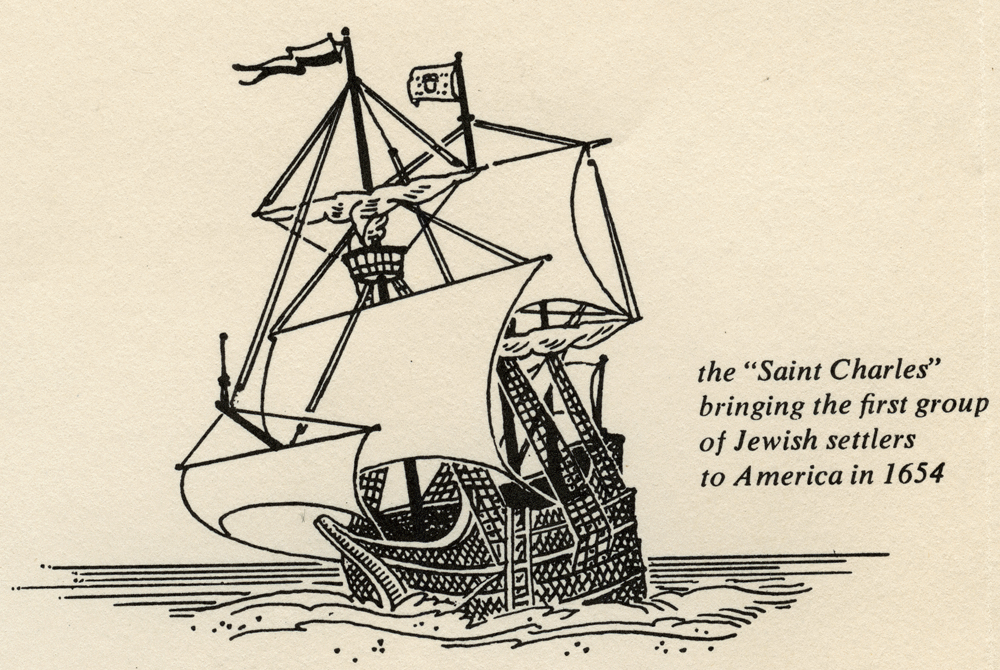
The "Saint Charles" bringing the first group of Jewish settlers to America in 1654
|